
2025 Fantasy Baseball: Auction Pitching Strategy
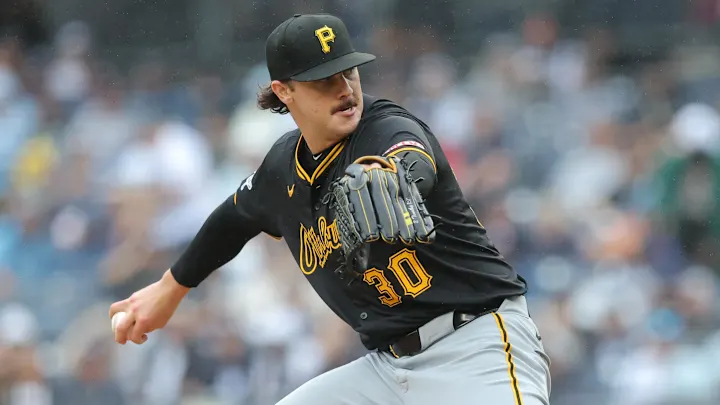
2025 Fantasy Baseball: Auction Pitching Strategy This Fantasy Baseball Strategy Guide is courtesy of Shawn Childs. Read Shawn’s expert fantasy analysis at his Substack. Pitching is the most challenging part of fantasy baseball. It’s easy to overspend in an auction, aiming to build a strong foundation in ERA, WHIP, and strikeouts. A solid pitching base provides a margin for error in the back end of your rotation, but the downside is a weakened offense due to limited resources. our 2025 Fantasy Baseball: Auction Pitching Strategy provides the ideal game plan to win this season. Unlike other formats, you can’t trade pitching for hitting in high-stakes leagues, making budget balance crucial. It’s difficult to finish in the middle of all five pitching categories, let alone earn 66% of the needed points to be competitive. Given the high injury rates and unpredictability, pitching is the most frustrating part of roster construction. If fantasy managers had their way, they’d allocate most of their budget to hitting and minimizing pitching investments. This should always be the pre-auction plan. Finding Value in Pitching When evaluating the pitching pool, I look for under-the-radar buying opportunities. This could mean targeting a setup reliever poised to take over a closer role early in the season or identifying a $10 starter who could deliver the value of a $20 pitcher. The key is determining whether I can construct a quality pitching staff for less than expected and if my targets will be available at my price points. Managing Saves Most teams will buy one closer, but a single 35-save reliever may only secure four points in saves in a 12-team AL or NL Roto league. That’s a minimal return on a $15+ investment. Typically, a team needs 50+ saves to finish in the top third of the category, which is why many managers either buy saves cheaply or punt the category altogether. Spending 30% of your pitching budget for limited gains isn’t ideal. Before the auction, I decide on my approach to saves: Is there a closer worth a top-tier investment? Are there discounted options that could provide elite value? Is there a reliever with a strong chance of earning the job midseason? While I never fully punt saves, I prefer grabbing a couple of potential closers in the reserve rounds at no cost to my auction budget. Saves can be the deciding factor in winning or losing a league. My goal is to maximize saves per dollar spent, increasing my competitive edge. Top-tier closers contribute more than just saves, and if the price is right, I won’t hesitate to invest. In early fantasy baseball years, elite closers cost close to $30, but the market corrected itself, with top options now around $20. If I’m comfortable paying $15, I need to be ready to pounce if a premier closer stalls in bidding before $20. Building an Ace Foundation Once I set my strategy for saves, I need a strong starting pitching core. This phase of an auction is a great equalizer—big investments in an ace limit flexibility elsewhere unless I commit a larger budget to pitching. When Pedro Martinez was in his prime, I could spend $40+ on him and dominate pitching categories due to his massive ERA, WHIP, and strikeout advantages. But in today’s game, does a $40+ investment in Paul Skenes or Tarik Skubal provide the same edge over the field? Would I be better off with two $20 pitchers instead? Could I build a strong rotation with four solid starters for around $50? Should I prioritize accumulating 200, 400, or 750 high-quality innings? The answers depend on the depth of each year’s pitching pool. In some seasons, there’s a clear drop-off in pitching talent; in others, there’s enough depth to spread investments. After analyzing the player pool, I pinpoint two or three pitchers I want as my staff’s foundation. Like with hitters, I track actual auction prices to see if my targets fit within my budget. If I plan to spend $60 on two starters and a closer, I need to confirm those prices align with my strategy. If a specific pitcher is critical to my plan, I might nominate him early to see if I can land him. Pitching Budget Allocation Most fantasy teams allocate between $60 and $80 to pitching. My goal is to establish a strong base with three key pitchers for $60, then round out my staff with cost-effective arms. The back half of my rotation often determines whether I win or lose. Discipline is essential. If I spend $8 early on a mid-tier pitcher, I might lose the flexibility to grab two $4 pitchers I prefer later. Timing is just as important as price. In some leagues, managers try to dominate pitching by spending $100+. When this happens, it inflates prices for top-end starters. But if everyone targets second-tier aces instead, elite pitchers may come at a relative discount. My pitching strategy dictates my hitting budget. It’s often easier to skimp on pitching and load up on offense, but some years provide opportunities to invest more in arms. In certain seasons, fading ERA and WHIP while maximizing wins, strikeouts, and saves can still earn 50% of the pitching points. Developing a Winning Plan Every fantasy manager must craft a strategy that gives them the best shot at winning. In non-trading auction leagues, investing in core players is key. Research the player pool for value opportunities. Enter the auction with both an early strategy and a contingency plan. Stay disciplined to secure impact players late in the auction. Here are the top 30 pitchers from 2024, ranked by FPGscores: (Note: These FPGscores are based on 12-team mixed leagues. Player values will vary slightly in 15-team leagues, AL- or NL-only leagues, and non-trading formats in the National Fantasy Baseball Championship.) Three of the top seven pitchers in 2024 were closers. Emmanuel Clase ranked first due to his elite performance and strong pre-season price. Ryan Helsley was the best draft-day value closer, while Kirby Yates
Fantasy Baseball Pitching Strategy
Fantasy Baseball Pitching Strategy Shawn Childs is a legend in the fantasy baseball world and his advice is invaluable. A member of the NFBC Hall of Fame, Shawn has several top-5 finishes in the National Fantasy Baseball Championship as well
