
Top 10 Fantasy Football Handcuffs (2024)
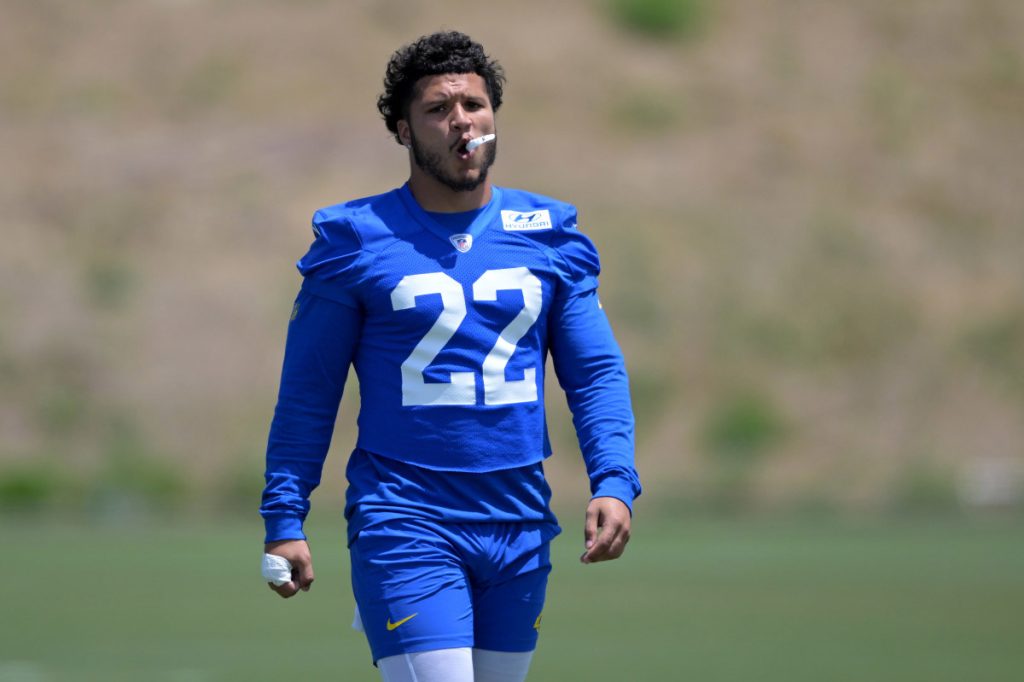
Top 10 Fantasy Football Handcuffs (2024) No position is as volatile or susceptible to injuries as running backs. Part of building a competitive fantasy football roster is to include an insurance policy. Targeting those handcuff running backs is a viable

Fantasy Football Draft Strategy: WR
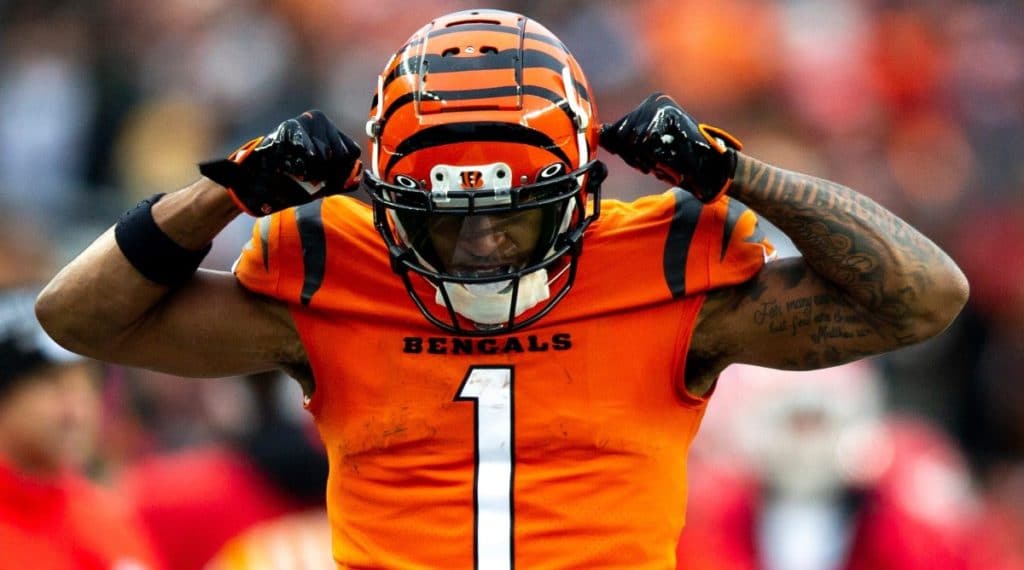
2023 Fantasy Football Draft Strategy: WR These days, drafting early-round wide receivers has become the most popular fantasy football draft strategy. Because so many #ZeroRB zealots are pushing up the value of these wideouts, it is imperative to know the safest approach to a foolproof Fantasy Football Draft Strategy: WR. I have to admit I have a weakness for the wide receiver position. I like strength with my wideouts, allowing me to make fewer decisions when setting my starting lineup. Here’s a look at the top 12 wide receivers over the last four seasons. Top 12 Wide Receiver Point Totals (2019 – 2022) Identifying WR1s Last year, the average top 12 wide receivers averaged 98 catches for 1,362 yards and 8.9 touchdowns, translating to 290.93 fantasy points in full-point PPR leagues or 18.18 points per week. The WR1 position had its best output in 2015 (19.26 FPPG), 2018 (19.06 FPPG), and 2021 (19.02 FPPG) over the past 11 seasons. Also, stacking your top wideout with his real quarterback is a proven strategy. Check out our extensive look at how to approach team stacking in 2023, which breaks down the ideal stacks for all 32 franchises. Fantasy Point Totals WR1 Observations Overall, an elite three-down running back has an edge almost every season over a top-tier wide receiver. However, there will be an exception when a top wideout catches plus receptions or scores a high volume of touchdowns. Marvin Harrison 2004 – 143/1,722/11 Randy Moss 2007 – 98/1,523/23 Wes Welker 2011 – 122/1,569/9 Calvin Johnson 2011 – 96/1,681/16 Antonio Brown 2014 – 129/1,698/13, 2015 – 136/1,834/10 Julio Jones 2015 – 136/1,871/8 DeAndre Hopkins 2018 – 115/1,572/11 Michael Thomas 2019 – 149/1,725/9 Stefon Diggs 2020 – 127/1,535/8 Davante Adams 2020 – 115/1,374/19, 2021 – 123/1,553/11, and 2022 – 100.1,516/14 Cooper Kupp 2021 – 145/1,947/16 Justin Jefferson 2022 – 128/1,809/9 Tyreek Hill – 119/1,710/7 At any position, scoring plus touchdowns will separate the top players from the field. Over the last 20 years, we have seen some exceptional running backs that posted some crazy touchdown totals, highlighted by the great success of Christian McCaffrey in 2019 (471.20 fantasy points). Cooper Kupp set the new ceiling at wide receiver in 2021 in fantasy points (440.40). In most years, a handful of receivers will score between 280-300 fantasy points each year in PPR leagues. Over the last nine seasons, 50 wide receivers scored more than 280 fantasy points in PPR leagues (13 over the past two years). One of my goals on draft day is to eliminate as many weekly lineup decisions as possible. The more decisions a fantasy manager has to make from week to week, the higher the chance of being wrong. The wide receiver position is very volatile. If a fantasy team has too many players that look the same, it is nearly impossible to maximize your success over a long football season. A fantasy manager that decides to draft a wide receiver strong team in PPR formats eliminates much of the decision-making process for two, possibly three wideout positions. This drafter MUST roster one strong running back as the core of his roster. Wide Receiver 13 to 24 Point Totals (2019 – 2022) Targeting Quality WR2s It is interesting to see the gaps tighten up at the WR2 position over the past few years. Last season, the second 12 wide receivers averaged 75 catches for 940 yards and five touchdowns. The top four wideouts in this grouping averaged 231.65 fantasy points (82/1,071/7). The difference between the top WR2 (Tyler Lockett) and the 12th option (Chris Olave) was 39.10 fantasy points. As I mentioned earlier, the easiest mistakes in fantasy football will happen at the wide receiver position. There’s nothing worse than having five wide receivers that have similar value. It is incredibly challenging to predict whom to start every week. The FFWC has two flex spots in the starting lineup, so the wide receiver decisions don’t get magnified as much as in traditional leagues. A WR2 averaged about 14.65 fantasy points per week in 2021, the highest level of success for WR2s over the last 10 seasons (2013 – 14.17, 2014 – 13.87, 2015 – 14.25, 2016 – 13.72, 2017 – 12.75, 2018 – 13.57, 2019 – 13.99, 2020 – 14.31, 2021 – 14.65, and 2022 – 13.75). The RB2s averaged 12.69 fantasy points last year. Another great way to prepare to DOMINATE your draft is using FullTime Fantasy’s Mock Draft Simulator. Fantasy Point Totals WR2 Observations The second wide receiver for most fantasy teams is a steady piece to the puzzle. When making this selection, the goal is to find a solid 200+ point receiver in PPR leagues. The closer we get to the live draft season, the inventory will tighten up. There are about 17 wide receivers in most seasons that will score more than 225 fantasy points in PPR leagues (19 in 2015, 15 in 2016, 12 in 2017, 17 in 2018, 17 in 2019, 19 in 2020, 22 in 2021, and 17 in 2022). So as much as some fantasy managers want to finesse the position, they can be short at wide receiver if other drafters decide to triple up at wideout with their first three or four draft picks. A fantasy manager needs to identify the opportunities at each position to help them determine which direction they want to go when building their team. A drafter from an early position will have a much different thought process than someone drawing from a backend draft slot. For example, a team selecting two wide receivers early in drafts will be shopping in another aisle than a player choosing two running backs with their first two picks. Every draft will be different, but the opportunities after round five will be somewhat consistent. Finally, check out our Fantasy Football Draft Strategy for the Quarterbacks and Running Backs. Lastly, If you have time to prepare, make sure you mock in our Mock Draft World Championships. No better way to practice for
A Strategy Guide for Drafting RBs
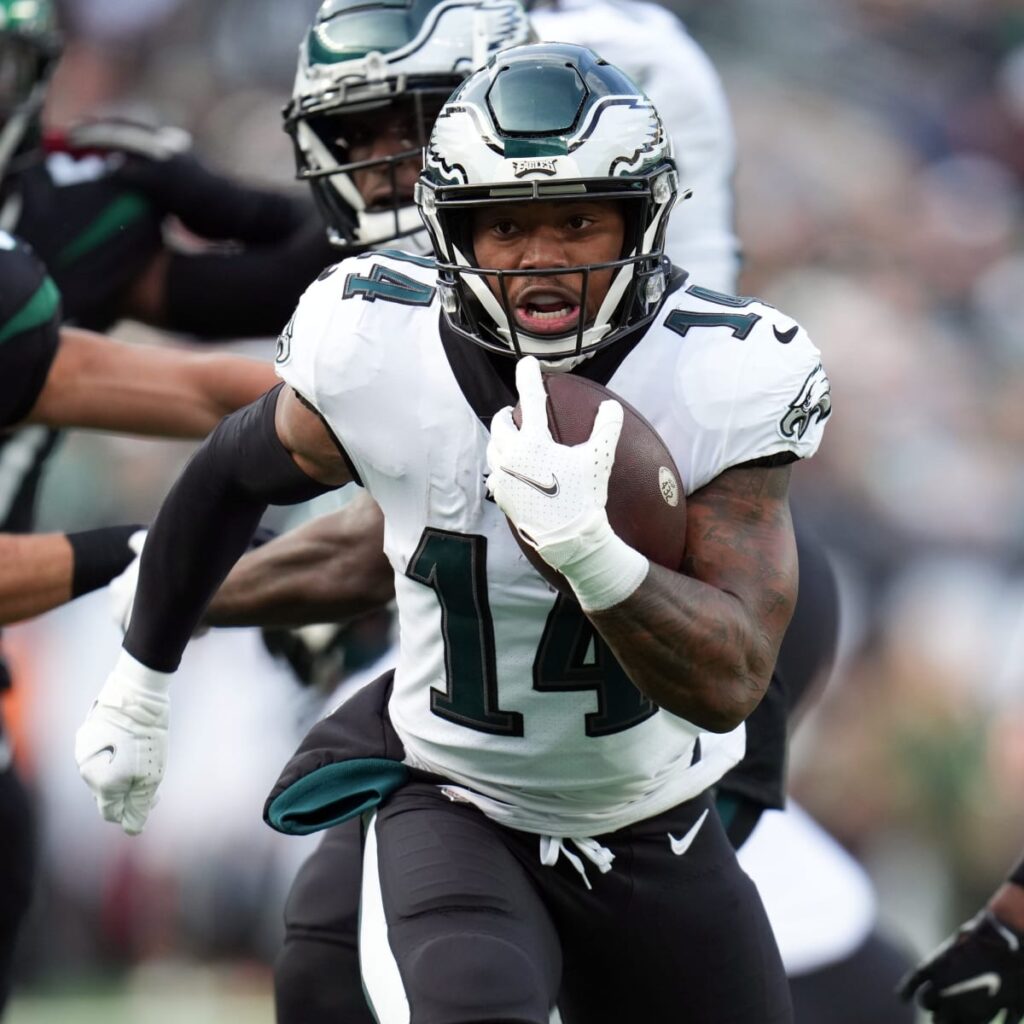
A Strategy Guide for Drafting RBs Opportunity reigns supreme in fantasy football. However, no position is as susceptible to nagging injuries as much as the running back. That means backup running backs with high-touch upside should be on every drafter’s radar. A Strategy Guide for Drafting RBs explores the statistical target points of these handcuff RB targets and where to target them in your draft. Oftentimes we see these under-the-radar backups become fantasy football breakouts when given the chance to start. After filling out your starting lineup, these are the potential difference-makers you want to target in the mid-to-late rounds of your fantasy football drafts. This Fantasy Football Draft Strategy: RB will help you identify those highly coveted backup running backs to target in 2023. Running Backs 25 to 36 Point Totals (2019 – 2022) RB3/Flex: Rostering a third productive running back in fantasy football can be gold if you have strength in your other positions. An excellent third option will help you in bye weeks. Also, that player could also be serviceable at the flex position. The third set of 12 running backs from 2022 averaged 156.78 fantasy points in full-point PPR leagues or 9.80 points per week. That fell in line with the previous three seasons (154.61, 151.06, and 152.82). Typically, a tier of 12 backs will hold about a 60-point edge each year over the next grouping. In 2022, the RB1s averaged 282.90 fantasy points in PPR formats, with the top four players (341.88) carrying the load. The RB2s scored between 227.40 and 179.70 fantasy points. The RB3s averaged 156.78 fantasy points. The 60-point gaps don’t sound like much, but it adds up throughout a fantasy season. Making the postseason will be challenging if a roster is weak at two positions. Fantasy Point Totals RB3 Observations It is imperative to draft some upside running backs on your team, but they will hurt you if you are forced to play them due to an injury to one of your top options if they are not getting regular playing time. Fantasy football is a simple game. Most of the action will happen inside the first 12 rounds of drafts in 12-team leagues. Every fantasy team should have their starting lineup after eight or nine rounds. Therefore, their decisions from rounds nine to 12 will be critical. Especially if your team has a weakness at a position. In 12-team PPR leagues, a top roster must score close to 2,050 fantasy points over a 14-week schedule (to be in the playoff hunt. A top team could score more than 2,200 points. A fair goal from your starting quarterback and first two running backs would be to score 55 fantasy points (QB – 23+ points, RB1 – 18+ points, and RB2 – 14+ points). A top RB, a solid RB2, and a mid-tier quarterback should deliver that score from an early-draft position. By selecting later in the draft, an elite quarterback with two-second level running backs may deliver a similar score. It then would come down to the wide receiver and tight end positions to reach your target number to draft a competitive team. After looking over each group of running backs, it is interesting to see how close the final scores are each year when considering the vast changes in playing time and the high rate of injuries at the position. The player pool changes yearly, creating different tiers at each starting roster position. The key is gaining an edge whenever possible. Also, identifying when there is an apparent drop-off in talent at each position using a tiered cheatsheet. Running Back 37 to 48 Point Totals (2019 – 2022) The fourth group of 12 running backs averaged 7.10 fantasy points in PPR leagues in 2022, making it difficult to time if forced to slide them into their starting lineup. When building your running back depth on draft day, the first goal is finding an edge at RB1. This player needs to be a three-down back with value in rushing, receiving, and touchdowns. If the available options don’t meet these qualifications, a drafter must gain an edge at another position. Another great way to prepare to DOMINATE your draft is using FullTime Fantasy’s Mock Draft Simulator. The most successful fantasy managers will make these evaluations before draft day once they know their draft position. The goal is to determine the best start for a fantasy team based on the current draft flow or ADPs. The more thought a drafter does before the draft, the better chance of making better decisions when on the clock on draft day. It is also important not to be naïve when identifying an upside player. A ton of information is written in the fantasy football market, and the fantasy community will come to the same conclusion with breakout-type players. In some cases, there may only be one running back viewed as a difference-maker going early in the second round. If drafting late in the first round, the data points to a “targeted back” being available with your second pick. This deduction leads to looking at the best options at other positions with their first selection while most likely settling in at the wide receiver position unless a top running back with three-down ability slides in the draft. After reviewing the best options at wide receiver, the player pool may dictate multiple players of similar value. When seeing this develop, a fantasy manager must be open to moving the “targeted back” up to the first round to avoid being sniped by another sharp drafter. By doing this, a fantasy manager accepts the closeness in value at the wide receiver position while knowing there may be a chance their number one wide receiver option may still slide to them in the second round. Often late in the draft season, the edge players with upside will see their draft value rise. However, it’s essential to consider each player’s real upside. Be careful not to overvalue players, where you draft
Top 10 Fantasy Football Handcuffs

Top 10 Fantasy Football Handcuffs No position is as volatile or susceptible to injuries as running backs. Part of building a competitive fantasy football roster is to include an insurance policy. Targeting those handcuff running backs is a viable strategy