
FSGA Experts Baseball Draft Recap

FSGA Experts Baseball Draft Recap While major league players are gearing up for 2025, the world’s top fantasy baseball experts assembled at the annual FSGA to battle for bragging rights. Legendary analyst Shawn Childs represented FullTime Fantasy and provided his analysis and insight into the FSGA Experts Baseball Draft Recap. The FSGA leagues are among the most challenging. In addition to being 15 teams, all of the invitees are among the top experts in the business. That makes this format one of the most challenging in existence. It also makes them a great catalyst for fantasy baseball players about to partake in their draft or auction. Here are the results of Shawn’s FSGA Experts Baseball Draft Recap and his analysis. This Fantasy Baseball Strategy Guide is courtesy of Shawn Childs. Read Shawn’s expert fantasy analysis here. FSGA Scoring Rules Best Ball Points Style – 26 Roster Spots 16 Total Starters 10 Bench Spots 1 Catcher 1 First Baseman 1 Second Baseman 1 Third Baseman 1 Shortstop 3 Outfielders 1 Utility Player (any hitter) 7 Pitchers Statistical Categories & Scoring Draft Results Round By Round Analysis Hitters In the first round, I chose Corbin Carroll over Elly De La Cruz, favoring Carroll’s lower strikeout rate and reliable production in hits and fantasy points, which aligns well with this points-based format. In the second round, I reached for Wyatt Langford, drawn to his upside, knowing I had Pete Alonso—my top first baseman—locked in for the third. Alonso’s a powerhouse in points leagues, and I think he was a steal compared to other first basemen taken later. I held off again on pitching early, so in the fourth round, I grabbed CJ Abrams, the best available middle infielder. His blend of power and speed gives me a high floor at a position I hadn’t yet filled. Then, in the fifth, I pivoted to starting pitching, targeting high-strike-out/upside arms – Bryce Miller, Hunter Greene, Hunter Brown, and George Kirby were the choices over the next four rounds. I picked Kirby at a discount—despite a potential 4-5 missed starts due to a shoulder injury, I’m confident it won’t derail his elite potential and ceiling. For my third outfielder (this Best Ball format starts three), I went with Josh Lowe, loving his power-speed combo and the hitter-friendly home park for lefties. At catcher, Austin Wells fits my breakout catcher profile at a fair point. In BestBall formats, the catcher position will get negative points in many weeks when they go 1-for-16. Therefore, I also added Francisco Alvarez as a second catcher. I expect him back in the final week of April after suffering a broken hamate bone in spring training. His “zero weeks” could still be an advantage in this format (giving no fantasy points rather than a negative number, and I’m comfortable rostering two catchers. Depth Bryson Stott was a second-base value grab thanks to his discount, and I bumped up Christian Encarnacion-Strand as my breakout hitter of the year. He complements Alonso nicely and can slide into the utility spot. This format uses one player at each infield position (C, 1B, 2B, 3B, SS) plus three outfielders, with no additional middle infield or corner infield slots, so ideally, I should have grabbed someone with dual eligibility at shortstop or middle infield. But a few rounds later, I took Mason Wynn at shortstop due to leadoff his profile. At third, Nolan Arenado was the best option available; his .270 average with 70 runs and 70 RBIs last year isn’t far off, and a power rebound—or a trade—could boost him further. Pitching On the pitching side, Jeff Hoffman was a late-queue reliever gem who should grab saves, a nice fit since this format rewards them. Drew Rasmussen’s sub-3.00 ERA over four seasons shines when he’s healthy—he just needs to stretch out his pitch count. Nolan Jones, after a rough year, dropped to the 18th round in this 15-team setup (a bargain from last year’s hype), and I like his power, speed, and Coors Field boost. Jose Soriano was a late pitcher flier—his velocity hints at strikeout growth despite a lagging K-rate so far. Sal Frelick, my fifth outfielder, brings steals (less valuable here than in NFBC) and 15-team rotational value, though he’s not my typical Best Ball profile; he was just the best name left. Reid Detmers, a 2024 disaster, still has high upside, and Luis Ortiz felt mispriced—hidden value in the queue. I got auto-drafted Kenta Maeda in the 23rd round; he was in my queue, but I would have taken him later. Still, he’s been solid in spring training (aside from his last outing) and adds depth to my pitching staff. Ryan Kerkering could close for Philly, adding upside, and Ryan McMahon offers third-base and utility flexibility alongside Arenado. I’m thin at second with only Stott, but McMahon’s past time at the position might earn him eligibility midseason. Without the Maeda auto-pick, I might’ve grabbed another second baseman. Jack Leiter, my final pitcher, has dazzled in spring training with a strong college pedigree—I took a chance on his upside, especially with Cody Bradford’s recent injury possibly opening a Rangers rotation spot. I landed 12 pitchers in the draft, a must in a format starting 7 with weekly best scores, to hedge against inevitable injuries. Final Thoughts I avoided major snipes, locking in my top four hitters early for an offensive core, then building pitching depth while alternating offense and arms in the mid-to-late rounds. It’s a competitive squad—staying healthy is the key after injuries sank me over the last two years in this event. I’m a BestBall fan, and I’m optimistic this roster will click in 2025. Time will tell! The 2025 NFL season is underway but it’s not too late to get access to the best help out there! All FullTime Fantasy members get exclusive access to our 24/7 Chat Room on Discord! All morning on Sunday, Senior Analyst Jody Smith will be standing by to answer all your crucial fantasy questions and keep you updated with
2025 Fantasy Baseball Closer Rankings & Analysis
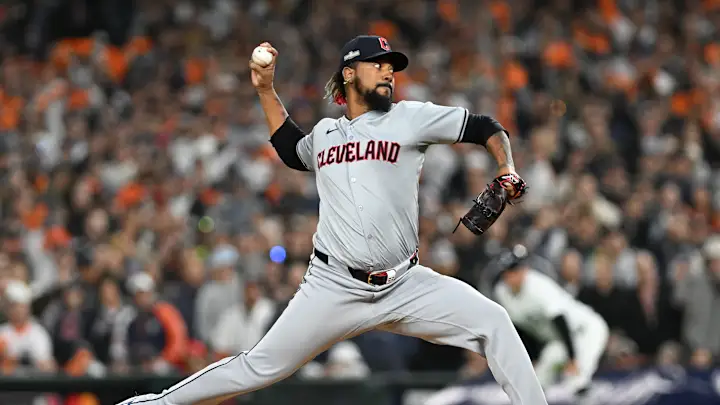
2025 Fantasy Baseball Closer Rankings & Analysis This Fantasy Baseball Pitching Strategy is courtesy of Shawn Childs. Read Shawn’s expert fantasy analysis at his Substack. Over the past few seasons, the top 12 closers have outperformed the second tier of 12 starting pitchers in fantasy rankings. A key factor is the decline in starters logging 200+ innings, along with fewer relievers reaching the 30-save threshold. As a result, the benchmark for a fantasy team to remain competitive in saves has dropped. Here’s a breakdown of the top late-inning arms for 2025: Closer Performance in 2024 The top 12 relievers last season averaged: 65 appearances 6 wins 2.21 ERA 0.944 WHIP 32 saves 78 strikeouts Emmanuel Clase led all closers in FPGscore (8.12), ranking fourth among pitchers and eighth overall across hitters and pitchers. His 47 saves provided 8.53 fantasy points, second only to Ryan Helsley (49 saves, 8.96 points). Despite posting only 66 strikeouts, Clase’s ERA (0.601) and WHIP (0.659) gave him a significant fantasy advantage of over five points. Save Distribution Among Relievers 8 closers recorded 30+ saves 14 relievers finished with 20-29 saves 35 pitchers had at least 10 saves Team Bullpen Breakdowns Cleveland Guardians 1. Emmanuel Clase, CLE (ADP – 32.8) Clase has led the AL in saves for three consecutive seasons (42, 44, and 47) while finishing the most games each year. His elite control (1.2 BB/9 in 2022 and 2024) has fueled a career WHIP of 0.892. Groundball rate: 57.4% First-pitch strike rate: 65.9% Strikeout rate dip: 8.0 K/9 in 2024 (down from 9.5 K/9 in 2021-2022) Opponent batting average: .154 (.115 vs. lefties) The Guardians’ bullpen was dominant in 2024: 42-12 record 2.57 ERA, 1.05 WHIP 53 saves, 658 strikeouts over 623 innings Clase relies heavily on an electric 99.6 mph cutter (77.6% usage, .171 BAA) and a devastating slider (.155 BAA, 36.6% whiff rate). Fantasy Outlook: At just 26 years old, Clase already has 158 career saves in 182 chances. His combination of elite command, dominant pitches, and high save potential makes him a coveted asset. While his strikeouts have declined, his dominance in ERA and WHIP is invaluable. If you miss out on top-tier aces, Clase can be an elite fantasy weapon. Handcuff Option – Cade Smith, CLE (ADP – 370.0)Signed as an undrafted free agent in 2022, Smith has improved significantly: Minor league stats: 3.61 ERA, 1.21 WHIP, 262 Ks in 167 IP Closer role: 33 minor league saves 2024 MLB performance: 75.1 IP, 2.0 BB/9, .173 BAA Smith is a hidden gem for fantasy managers looking to stabilize ERA and WHIP. If Clase were to miss time, Smith would be the next in line for saves. Oakland Athletics 2. Mason Miller, OAK (ADP – 42.3) Miller’s journey to the majors has been injury-riddled, but when healthy, his stuff is electric. After an early elbow injury in 2023, he transitioned to the bullpen in September and quickly became dominant. First 20.1 IP as a reliever: 2 ER, 13 baserunners, 41 Ks, 9 saves Final season line: 3.22 ERA, 0.985 WHIP, 19 saves, 63 Ks in 44.2 IP Struggled in six outings: 8.1 IP, 13 ER, 24 baserunners Miller’s 101.1 mph fastball was one of the best in baseball, pairing it with a wipeout slider (.126 BAA, 47 Ks). Fantasy Outlook: Among top-tier closers, Miller offers the highest strikeout upside but carries injury concerns and a small track record. If the A’s use him in 70+ games, he could lead all closers in strikeouts. Handcuff Option – Jose Leclerc, OAKLeclerc struggled early in 2024 but found his rhythm midseason. His career-high 4.3 BB/9 remains a concern, but he’s the next in line if Miller falters. New York Mets 3. Edwin Diaz, NYM (ADP – 38.4) After missing 2023 with a knee injury, Diaz had a rocky return last season. He started strong but hit a rough patch in May before rebounding down the stretch. Final 35 games: 15 saves, 2.41 ERA, 0.921 WHIP, 54 Ks in 33.2 IP Elite vs. righties: .158 BAA, 42 Ks in 101 ABs Fastball velocity: 97.6 mph (down from 99.1 in 2022) Diaz remains a strikeout machine, but his save opportunities need to increase to justify his ADP. Fantasy Outlook: Since his 57-save season in 2018, Diaz hasn’t topped 32 saves in any year. His strikeout edge over Clase is clear, but he must convert more saves to be worth a high draft pick. Handcuff Option – A.J. Minter, NYMSigned to a two-year deal, Minter has closer experience (36 career saves) but struggled with injuries last season. He’ll be the primary backup to Diaz. New York Yankees 4. Devin Williams, NYY (ADP – 39.9) Traded to the Yankees in December, Williams battled back issues in 2024 but still delivered elite numbers: 1.25 ERA, 0.969 WHIP, 38 Ks in 21.2 IP Converted 14 of 15 save chances Walk rate (4.6 BB/9) remains a concern Williams’ changeup (45.3% usage, .200 BAA) and fastball (.122 BAA) remain elite, but his command must improve. Fantasy Outlook: Williams is in a contract year, which adds motivation, but his health is a risk. Since taking over as a closer in 2022, he’s gone 15-7 with a 1.66 ERA, 65 saves, and 221 Ks in 141 IP. If he stays healthy, he’s a top-tier option. Handcuff Option – Luke Weaver, NYY (ADP – 354.8)Weaver reinvented himself in the Yankees’ bullpen, posting a 0.90 ERA, 0.721 WHIP, and 79 Ks over his final 59.2 IP. He’s a must-handcuff for Williams in our 2025 Fantasy Baseball Closer Rankings & Analysis. Houston Astros 5. Josh Hader, HOU (ADP – 41.0) Hader’s home run issues (1.5 HR/9) led to inconsistent results in 2024, but he remained dominant in strikeouts: Final line: 8-8 record, 3.79 ERA, 1.12 WHIP, 35 saves, 89 Ks Struggled vs. righties: 12 HR allowed Fastball velocity: 96.3 mph Fantasy Outlook: Hader’s reliance on a two-pitch mix (sinker, slider) makes him vulnerable in bad counts. While still an elite closer, he’s no longer the safest
2025 Fantasy Baseball Auction Strategy

2025 Fantasy Baseball Auction Strategy This Fantasy Baseball Strategy Guide is courtesy of Shawn Childs. Read Shawn’s expert fantasy analysis at his Substack. Fantasy baseball comes in various formats and league sizes, particularly in auctions. Over the years, I’ve competed in American League-only, National League-only, and mixed-league formats with 12 or 15 teams. Some leagues incorporate keepers (players held for multiple seasons) and trading, both of which significantly impact player values during an auction. However, in the high-stakes fantasy market—where I’ve played for over 20 seasons—trading isn’t allowed. This restriction places immense pressure on managers to construct a winning roster before the auction ends. Here’s my 2025 Fantasy Baseball Auction Strategy. The Challenges of a No-Trading Auction League In a no-trade auction league, the margin for error is razor-thin. No other team will bail you out by offering to trade for your surplus closer. If your roster is unbalanced—strong in some categories but weak in others—you can’t swap hitting for pitching or speed for saves. While there are multiple paths to winning an auction, many managers lose before the season even begins due to a flawed strategy or lack of foresight. Each year, the player pool shifts slightly, requiring managers to assess available talent and craft a plan they can execute at the auction table. Success hinges on assembling enough key pieces to manage the season effectively. Regardless of my approach, I must remain flexible. While an auction allows me to target any player, every acquisition comes at a cost. Auction Basics Most fantasy baseball auction leagues allocate each team a $260 budget to assemble a 23-player roster (14 hitters, nine pitchers). Scoring is based on 10 categories: Hitting: Batting average, runs, home runs, RBIs, and steals Pitching: Wins, ERA, WHIP, strikeouts, and saves In a 12-team league, first place in a category earns 12 points, second place gets 11, and so on down to one point for last place. The team with the highest cumulative score across all categories wins the league. Calling Out Players Strategically A common mistake fantasy managers make is waiting too long to nominate key players. While the idea of saving money for later bidding may seem smart, it often backfires. If I sit back while other elite players come off the board, I risk running out of viable options. Instead, I prefer to call out my priority players early. If I believe a particular player is essential to my team’s foundation, I want to know right away if I can get him at a reasonable price—or if I need to pivot to an alternative plan. The sooner I know my roster’s core, the better I can execute my strategy or adjust on the fly. Budgeting for Key Players Using my FPGscores after last season, Shohei Ohtani had a fantasy value of $62.91, contributing 19.55 league points on the hitting side in a 12-team mixed format. If my roster plan was to allocate $180 for hitting and $80 for pitching, Ohtani would be a cornerstone of my offense. Every manager has a different approach to budgeting. Some teams invest heavily in elite bats and “cheat” pitching, while others allocate $100+ to pitching, limiting their ability to compete for top-tier hitters. For example, if I aimed to build my team around Ohtani, expecting him to replicate a strong 2024 season (.310/134/54/130/59) with a $55 target value, I would need a backup plan if I missed out on him. My next tier of power-speed hitters might include José Ramírez (.279/114/39/118/41), who had a $43.66 fantasy value in 2024. If Ramírez gets nominated early and sells for $45 while I wait for Ohtani, I risk losing both. If Ohtani then exceeds my budget, I’m left scrambling for a replacement with fewer options remaining. This scenario forces me to adjust my plan on the fly. If Ohtani sells too high, my fallback could be Aaron Judge ($50.11 value in 2024)—but that weakens my stolen base potential. Alternatively, I could target Bobby Witt Jr. ($45.65 value) to lock in elite steals while maintaining power. The key is being prepared for multiple outcomes. If my top choices are taken, I must adapt while ensuring my team remains well-rounded. Overpaying vs. Letting Go One strategy to avoid missing out on key players is overpaying early, intending to recoup those extra dollars later in the auction. While this can work, it requires discipline to ensure later bargains offset early splurges. Executing a Game Plan A strong auction strategy involves executing my game plan early while ignoring how others are spending. My goal is to establish a solid foundation in hitting and pitching, spending up to $200 of my $260 on my key players. This aggressive approach means I may need to shut down spending mid-auction while waiting for value picks later. Many managers become frustrated when others hold onto their money, fearing late-stage overbidding. But once the auction progresses, everyone will still need players, and competition remains. A team with a large budget late in the auction won’t have unlimited power—they’ll still be competing with other managers for every player. Keeping an Open Mind Some of the best values emerge early in an auction. Recognizing player value in real-time is crucial, as hesitation can mean missing out on bargains. A $33 player may not seem like a steal, but if that same player goes for $38 a few rounds later, I’ve lost out on value. For example, if José Ramírez is nominated early and his price hovers in the mid-30s, it may be smart to buy rather than risk Ohtani and Judge going for premium prices. Avoiding the “Last Top Player” Trap A common mistake in auctions is waiting for the final top-tier player at a position. Late in the draft, managers hesitate to call out the last available elite player, hoping to get them cheap. When that player finally gets nominated, demand spikes, often leading to an overpay. I use this knowledge to my advantage. If I like multiple players at a position,
Join us at FullTime Fantasy!
Join FullTime Fantasy for the best season-long content in the industry backed by check-cashing winners and award projections!
Fantasy Baseball Pitching Strategy
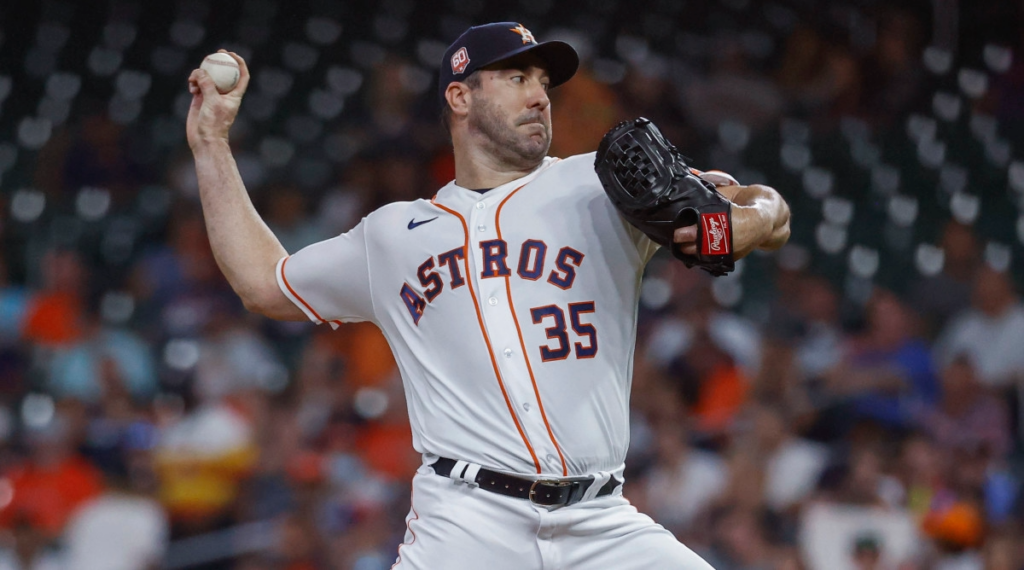
Fantasy Baseball Pitching Strategy Shawn Childs is a legend in the fantasy baseball world and his advice is invaluable. A member of the NFBC Hall of Fame, Shawn has several top-5 finishes in the National Fantasy Baseball Championship as well

Fantasy Baseball Auction Strategy
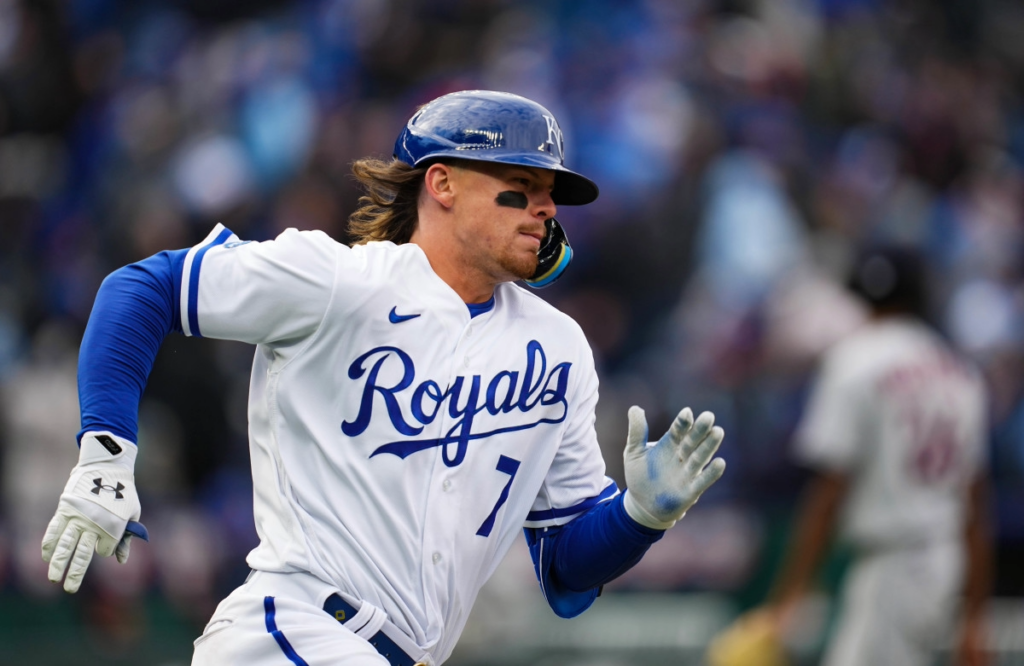
Fantasy Baseball Auction Strategy Shawn Childs is a legend in the fantasy baseball world and his advice is invaluable. A member of the NFBC Hall of Fame, Shawn has several top-5 finishes in the National Fantasy Baseball Championship as well as five NFBC auction championship titles under his belt. He also boasts several prominent in the high-stakes market and multiple huge DFS wins. Shawn’s process and evaluation are among the most thorough in the sport and his exclusive FPGscore metric is changing the game. This 2024 Fantasy Baseball Auction Strategy and insight are courtesy of the brilliant mind of one of the sport’s best. This Fantasy Baseball Auction Strategy is courtesy of Shawn Childs. Read Shawn’s expert fantasy analysis at his Substack. Also, check out Shawn’s detailed 2024 Fantasy Baseball Strategy Guide for the most thorough tips and advice that you will find anywhere. Auction Overview The fantasy baseball market has many formats and league sizes, especially in auctions. I’ve played in American and National League formats with 12 teams plus 15-team mixed leagues. Each setup could also have keepers (players held for more than one year) or trading, which changes all players’ value during the auction. Over the last 20+ seasons, I’ve played in the high-stakes fantasy market where there is no trading, which puts pressure on a fantasy manager to develop a winning plan before the auction. When doing an auction league with no trading, a fantasy manager has a small margin for error. No other team will be knocking on your door looking to take your third closer off your hands via a trade. If your roster is out of balance (strong in some categories and weak in others), you can’t trade hitting for pitching or even speed for saves. An auction can be won in many different ways, but many managers can lose the battle during the auction due to a questionable game plan or even a lack of foresight. Every year, the player pool will change slightly. The goal of a manager is to evaluate the inventory and develop a strategy that can be executed at the draft table. If I come away with enough pieces to the puzzle, I can manage my way to a championship. Whatever game plan I decide to use, I must be ready to adjust if I don’t get my key players. A fantasy manager can roster any player they want in an auction, but it comes with a price. In most baseball auction leagues, each team starts with $260 to buy 14 hitters and nine pitchers. The goal is to accumulate the most league points in five hitting (batting average, runs, home runs, RBIs, and steals) and five pitching (wins, ERA, WHIP, strikeouts, and saves) categories. In a 12-team league, a first-place finish in a category would be worth 12 points, second place is 11 points, and so on until reaching 12th place (one point). The winner of each league is determined by adding up all 10 categories. Calling Out Players to Improve Your Team-Building Chances A common mistake fantasy managers make is hoping the players they want don’t get called out early. It sounds good in principle, but the problem is that all the other good players are coming off the board while I sit back, holding my money. If I wait and miss on my targeted players, I will have fewer options to build my team. Getting my key players called out as quickly as possible is essential. For example, if I want a player in the auction and believe he is the key to building my foundation, I would like to call him out on my first opportunity. By doing this, I find out how much he will cost (higher or lower than my predicted price point) or if I need to start looking for someone else to develop my team around. The quicker I know where I stand on critical players, the better my chance of executing my plan or adjusting on the fly. For example, I wanted to build my team around Ronald Acuna, and I believed he could repeat a good portion of his 2023 stats (.337/149/41/106/73) with a target value of $55. If I miss on him, I will need to find another player with a step down in overall expectations. I should have a secondary plan to shift to another player with a similar skill set with less upside, but I would then save some of my spending budget. In this example, my next tier for power and speed could be Julio Rodriguez. If Acuna gets called out early and sells for more than I’m willing to pay, Rodriguez would be attainable if his salary falls within my expected budget and his targeted salary. Suppose Rodriguez gets called out first, and someone buys him for $41 while I sit on Acuna as my first key player. In that case, I will have a further drop-off in the player pool if Acuna is purchased by another manager above my budgeted salary target. The situation worsens if many top players get called out before Acuna, forcing me to shove all in, no matter the cost, or revamp the foundation of my build on the fly. This freelancing style could lead to an imbalance in roster construction in a non-trading format where a trade can’t fix a shortfall in a category. In this example, a detour off of Acuna may push me to Freddie Freeman, putting me in a weaker position in speed but a potentially high floor and ceiling in batting average. This decision would force me to find stolen bases differently and potentially look for another source of high-end power. If the drop-off from Acuna led me to Bobby Witt, I would set a high foundation in steals with 30+ home run power but only a neutral option for batting average. I would then focus on landing another high-average bat with one of my next two core hitters. Again,
Fantasy Baseball Strategy Guide

Fantasy Baseball Strategy Guide Shawn Childs is a legend in the fantasy baseball world and his advice is invaluable. A member of the NFBC Hall of Fame, Shawn has several top-5 finishes in the National Fantasy Baseball Championship as well as five NFBC auction championship titles under his belt. He also boasts several prominent in the high-stakes market and multiple huge DFS wins. Shawn’s process and evaluation are among the most thorough in the sport and his exclusive FPGscore metric is changing the game. This 2024 Fantasy Baseball Strategy Guide and insight are courtesy of the brilliant mind of one of the sport’s best. This Fantasy Baseball Strategy Guide is courtesy of Shawn Childs. Read Shawn’s expert fantasy analysis at his Substack. Fantasy Baseball Basics Fantasy baseball is a great game, especially for sports fans who love to watch baseball. A season covers about 180 days or about 26 weeks. Most of my experience in the fantasy baseball market has come in rotisserie-style leagues in the high-stakes market with no trading. Most formats have 10 categories to earn league points, with five for batters and five for pitchers. Roto Categories Batting Average (BA) – Each team adds up their total hits divided by at-bats by their starting hitters to create their overall team batting average. If you have the highest batting average in your league, your team earns first-place points in this category. (Note: The number of teams in each league or competition determines league points. For example, if there are 12 teams in a league, first place is worth 12 points. Second place is worth 11 points, and so on, with the last-place team earning only one point). In a 12-team league, fantasy managers trying to finish in the top 20% in batting average should set a goal of .2630 based on the high-stakes market results in 2023 (2,460 teams). Runs (R) – This is the total of all runs scored by the starting hitters on your team. The goal for runs should be about 1,125 runs in 12-team leagues or 80 runs per player in formats with 14 offensive players. Homeruns (HR) – Each team adds up the number of home runs by their starting hitters. A fantasy manager needed over 320 home runs to finish in the top three in the home run category in 12-team leagues (about 23 home runs per batter). Runs Batted In (RBI) – This is the total of all runs driven in by your starting lineup. In a 12-team league, the target number should be about 1,100 RBIs (about 79 RBIs per batter). Stolen Bases (SB) – Each team adds up the number of steals by their starting players. In 2022, a fantasy manager needed 134 steals to finish in the top 20% or nine steals per hitter. The change in the size of bases, pitch clock, and only two throws to a base led to a spike in stolen bases. The new target for steals for 2024 is 198 to finish in the top 20% (14 per hitter). Wins (W) – This is the total number of wins by your fantasy pitching staff (only players in the starting lineup). Typically, I try to manage my team to get enough starts in the year to earn four wins per week, 104 wins over a 26-week season. In 2023, 94 wins in the high-stakes market placed in the top 20%. Earned Run Average (ERA) – Each team adds up the number of earned runs allowed by their pitching staff divided by the total number of innings pitched times nine innings to determine their team ERA. The goal is to have the lowest ERA in the league. A fantasy team needed an ERA of 3.718 to finish in the top 20%. I typically use a 3.50 as my ERA target in a 12-team format. Walks + Hits/Innings Pitched (WHIP) – This is the trickiest stat for new fantasy managers to get a handle on. WHIP is a way to get the value of each pitcher’s skill set. All hits allowed are added to the total number of walks allowed divided by the total number of innings pitched by your starting pitching staff to come up with each team’s WHIP. The lowest WHIP earns the most league points. A fantasy manager needed a whip of 1.194 in 2023 in 12-team leagues to finish in the top 20%. Strikeouts (K) – Each team adds up the strikeouts from the pitchers in their starting lineup each week. Some pitchers have posted impressive strikeout totals over the last few seasons, raising the bar to compete in this category. In 12-team formats, a fantasy team needed 1,454 strikeouts to finish in the top 20% last year. Saves (SV) – Each team adds up the total number of saves by their pitching staff to compete in this category. A fantasy team will need about 78 saves to be competitive in saves in 12-team leagues. League Structure A standard 12-team Roto league will consist of about 30 rounds. Each team selects a player in each round while filling in their starting line-up, which includes 14 hitters and nine pitchers. The 14 batters consist of two catchers, one first baseman, one second baseman, one shortstop, one third baseman, one middle infielder (second base or shortstop), one corner infielder (first base or third base), five outfielders, and one utility (any batter). Most fantasy managers will draft seven starting pitchers and two closers (pitchers who pitch in close games that earn saves) for their starting pitching lineup. The seven bench spots can consist of any players you desire. In 12-team leagues, having a couple of extra starters and a third pitcher with a chance at saves would make sense. The last four bench slots could look like this: one upside young player with future playing time, one backup outfielder, one backup middle infielder, and one backup corner infielder. Player Pool Once a fantasy manager has a feel for each category on the
2024 San Francisco Giants Preview
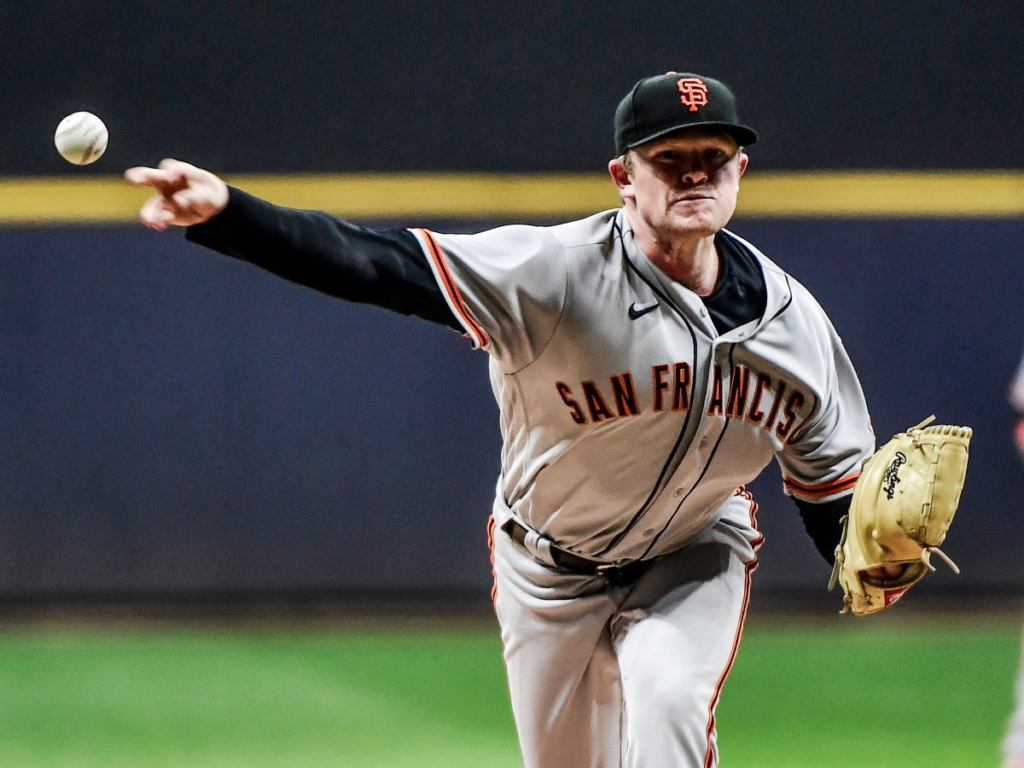
2024 San Francisco Giants Preview Shawn Childs is a legend in the fantasy baseball world and his advice is invaluable. A member of the NFBC Hall of Fame, Shawn has several top-5 finishes in the National Fantasy Baseball Championship as


2024 San Diego Padres Preview

2024 San Diego Preview Shawn Childs is a legend in the fantasy baseball world and his advice is invaluable. A member of the NFBC Hall of Fame, Shawn has several top-5 finishes in the National Fantasy Baseball Championship as well

2024 Los Angeles Dodgers Preview

2024 Los Angeles Dodgers Preview Shawn Childs is a legend in the fantasy baseball world and his advice is invaluable. A member of the NFBC Hall of Fame, Shawn has several top-5 finishes in the National Fantasy Baseball Championship as
