
2024 Fantasy Football Draft Strategy
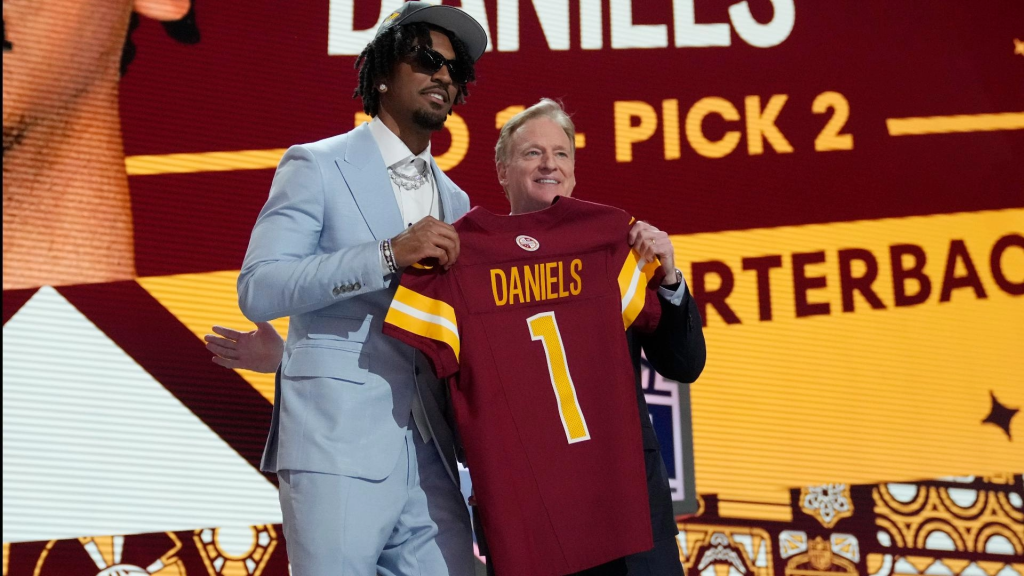
2024 Fantasy Football Draft Strategy Jody Smith has been a mainstay in the accurate fantasy rankings world for well over a decade. His consistency in the field has accrued numerous accolades, highlighted by winning Fantasy Pro’s Most Accurate Expert Award in 2012 for in-season football rankings. He has also been a consistent draft ranker, with a top-10 finish in 2021 and overall for the past four year’s accumulative. Jody has been involved in fantasy football for over 30 years and is a mainstay in the industry. His season-long and weekly rankings can be found at FullTime Fantasy and he is frequently on X @JodySmithNFL. Because Jody is considered to be one of the preeminent fantasy football analysts and rankers, he is often included in many industry and expert drafts. That experience of competing against the world’s best gives Jody unique insight and the ability to adjust his strategy with a proactive approach. This is Jody’s fantasy football draft strategy and process for the 2024 season. No two leagues are alike or can be predicted from pick to pick. But using these tips as a general guide should net you the core pieces of a strong lineup and the building blocks for a championship-contending roster. Although this strategy transcends all scoring and formats, it is catered around a PPR league that starts 1 QB, 2 RB, 2 WR, 1 TE, 2 Flex options, 1 PK, and 1 DST. Quarterback Strategy Undoubtedly, the most important position on the field is quarterback. And that also applies to fantasy football, where the leading scorers are typically the signal-callers. However, the abundant depth at the position devalues the strategy of taking one of the elite QBs early in drafts. In 2023, the difference in fantasy points per game for the overall QB1 and QB12 was 5.2 points. That’s a 22.5% difference but the gap is far more glaring at each of the other positions. Therefore, I will prioritize opening my draft with elite wide receivers and running backs and try to target value quarterbacks in the mid-to-late rounds. That means bypassing safer options like Josh Allen and Patrick Mahomes and using my tiers to determine who are the best available signal-callers in Rounds 6-9. This second and third tier of passers offers reliable weekly scoring from multiple options who have a good shot at posting QB1 numbers in 2024. Quarterback Values to Target: Kirk Cousins, Jordan Love, Brock Purdy, Jared Goff, Jayden Daniels Running Back Strategy I’m an old-school guy and it is difficult for me to fully embrace the #ZeroRB strategy of ignoring the position until the fourth or fifth rounds. Admittedly, the results over multiple years of embracing a WR-heavy strategy have played out well. It’s also been exasperated by injuries to so many early-round running backs. Still, having an elite, three-down workhorse in your lineup might be the single biggest edge in fantasy. Teams that selected Christian McCaffrey last season can attest to that, as McCaffrey was the top-scoring player regardless of position. Having that kind of production in your lineup is like a cheat code. It also makes investing in a “hero” running back a good idea. Hero RBs are defined as high-volume rushers who stay on the field, accumulating most of their team’s rushing attempts while racking up receptions and valuable touchdowns. Having a plug-and-play weekly starter is invaluable and remains the ultimate goal of every drafter. Even the ZeroRB truthers. Of course, your draft position will dictate how viable selecting a stud RB will be. It might make sense to open your draft WR/WR from a late draft position rather than reach for whoever is available after a draft that opened with a lot of emphasis on running backs. Regardless, I prefer to have that three-down running back locked up by Round 3. In a perfect draft scenario, I would have both RB slots secured by the fourth. After that, the emphasis is on targeting mid-round running backs who contribute in the passing game. These backs may not see lead-back carries initially. However, they have a consistent weekly role and are an injury or benching away from developing into reliable fantasy starters. Finally, I’ll conclude my drafts by targeting high-volume running back handcuffs. Not necessarily my own staters, but youngsters that have strong analytics profiles buried on depth charts. Think Zamir White down the stretch last season. Those are the kinds of players to emphasize when filling out those final roster spots. Early-Round Hero Running Backs: Kyren Williams, Rachaad White, Travis Etienne Middle-Round Targets: Alvin Kamara, Joe Mixon, Aaron Jones Sleepers: Zamir White, Jaylen Warren, Raheem Mostert Wide Receiver Strategy In today’s high-octane PPR leagues, wide receivers have become the primary focal point in many drafts. Not only are wideouts far less likely to miss time than running backs via injury, but elite receivers can produce like three-down backs. Over the last three seasons, seven running backs have averaged over 20 fantasy points per game. During the same stretch, 13 wide receivers have eclipsed that mark. Also, many fantasy leagues have embraced a starting lineup of two RBs and three wide receivers. Many more allow for a pair of flex spots. That further allows savvy fantasy managers to load up their rosters with pass-catchers. It would take real discipline to pass on Christian McCaffrey in Round 1. But after he’s off the board, a case can be made to prioritize wide receiver with the majority of the picks in Round One. Having a later draft slot makes it entirely possible to open with two WR1s and still land a top-10 running back at the tail-end of Round 3. After securing my two running back spots, I generally bypass tight ends and try to target starting wide receivers. The middle rounds (5-9) are often where fantasy titles are won and loading up on as many starting wideouts as I can is my preferred strategy. Chris Godwin, Nico Collins, Adam Thielen, and Puka Nacua were all excellent examples of high-upside starting
Mid-Round Running Backs to Target
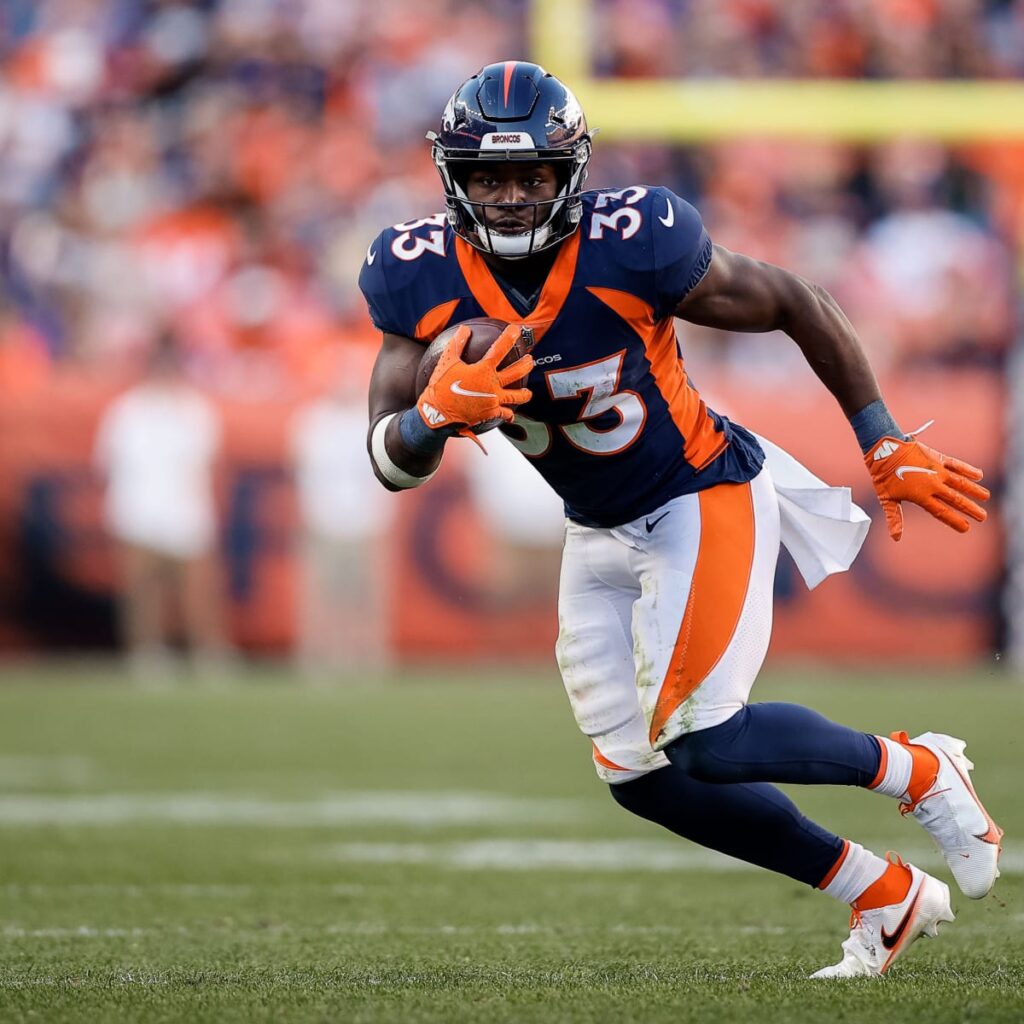
Reading between the tea leaves is a big part of having success in fantasy sports. Understanding the direction of a player, either by his natural progression or his status coming off an injury, can lead to finding a potential value

Fantasy Playoff Schedule: Teams to Target
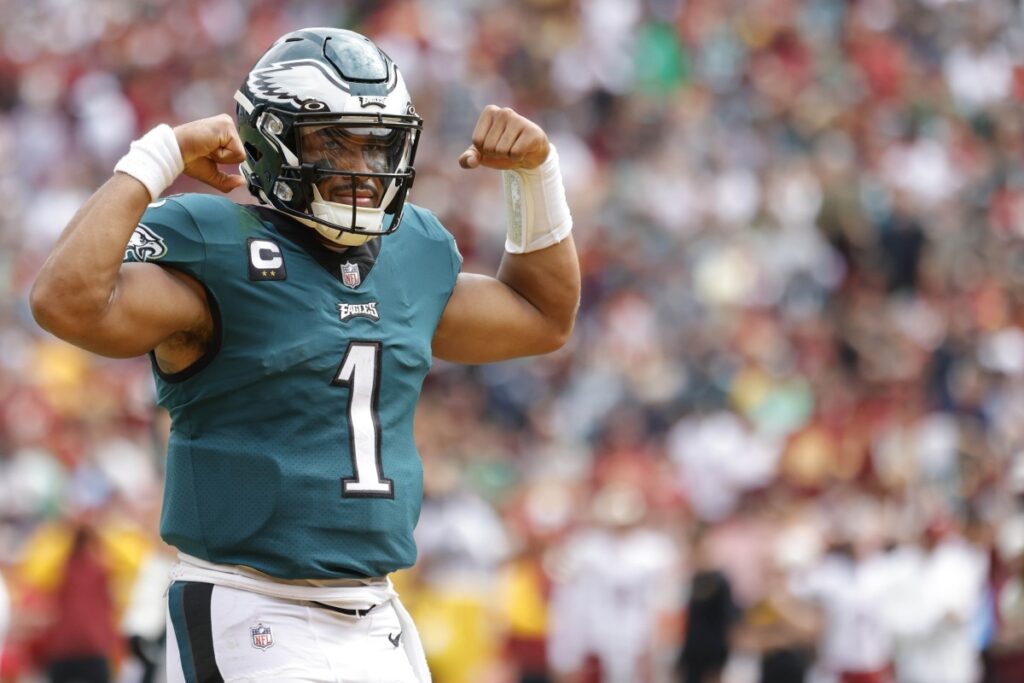
Fantasy Playoff Schedule: Teams to Target Analyzing the schedule is just a small part of a winning fantasy football draft strategy. Fortunately, at FullTime Fantasy, our Strength of Schedule Tool is an invaluable resource for identifying value throughout the season.

2023 Deep Sleeper Wide Receivers

2023 Deep Sleeper Wide Receiver In the high-stakes fantasy football market, most deep sleeper wideouts will be found after round 16 (pick 192) in 12-team formats. Some potential under-the-radar players started drawing attention in early August, pushing them up draft
Fantasy Football Draft Strategy: Flex Positions

Fantasy Football Draft Strategy: Flex Positions In the fantasy market, there are all kinds of formats. A fantasy manager needs to start two running backs, three wide receivers, and one, possibly, two flex players in the 12-team high-stakes market. The added length to the starting lineup in the Fantasy Football World Championships (FFWC) requires drafters to be creative when building their roster. In addition, it puts a premium on depth at the wide receiver position. As we worked through the final fantasy points for the top 24 wide receivers and top 48 wide receivers over the previous four seasons, it is pretty easy to see most teams will start wide receivers at the first flex position. Here’s a look at the RB3 and WR4 scores over the last four years just for comparison for the ideal Fantasy Football Draft Strategy: Flex Positions. Also, the 2023 FullTime Fantasy Football Draft Kit is absolutely LOADED with EXCLUSIVE sleepers, fades, breakouts, customized cheat sheets, and tons of valuable content to help you DOMINATE YOUR DRAFT DAY! Recent Flex Success Last year 36 wide receivers outscored the top RB3 option (Raheem Mostert – 170.40 fantasy points). And 54 wideouts had more points than the top TE2 option (Gerald Everett – 139.50). In most PPR leagues, the best team structure is to start two running backs and four wide receivers. You can also add the occasional running back or tight end delivering enough value over the course of the season to be starter worthy at a flex position. The first flex position comes from a mixture of running backs, wide receivers, and tight ends. Each fantasy manager can find short-term options at different times of the year due to injuries. In 2022, there was an even split between running back and wide receiver as the top plays at the first flex position with a high of 170.40 fantasy points and a low of 160.50 fantasy points. The previous year, seven wide receivers, five running backs, and one tight end filled the FLEX1 bucket. Here’s a look at the drop-down if your league uses a second flex position: Adding a Second Flex Spot The goal for a drafter is to find a flex two option that will average over 10.00 fantasy points per week. Also, to attempt to have your top two running backs average close to 30 combined fantasy points per week. In 2022, the top options to start at the second flex position came from wide receivers (8) and running backs (4). When reviewing the data in this series of articles, some fantasy managers may conclude that I’m making the case to be WR-heavy in the early rounds of the draft. However, the history in the high-stakes fantasy market shows winning an overall championship requires two strong running backs plus a third serviceable option. Draft position dictates each team-building opportunity. The change in draft flow from year to year forces drafters to make different decisions. The success, strength, and depth of the running back and wide receiver positions set the foundation for game-planning the following season. In 2023 in the high-stakes market, drafters have focused on wide receivers (10) over the first 14 picks. That is partly due to some cloudiness with multiple running backs and contract uneasiness. Last year, six wideouts scored more than 300 fantasy points in PPR formats compared to only four running backs. The debate/challenge this draft season is when to build running back depth. With many wideouts coming off the board early, there will be buying opportunities in the second and third rounds. If a fantasy manager builds a wide receiver strong roster early, he or she gains strength in two areas. If their players perform up to expectations. First, the fantasy point edge at wideout creates a possibly early lead in the standings. Second, a wide receiver strong team should have fewer lineup decisions in many weeks. To finish this type of game plan, a fantasy manager then needs to hit on at least one RB2 later in the draft. By rostering multiple outs at running back, a drafter will need to negotiate the early weeks of the season until they find a secure starting option. Three-down backs with high-scoring abilities offer the most significant edge in value in the fantasy market. But there are limited options each season. Unfortunately, drafters only see four viable options this season – Christian McCaffrey, Austin Ekeler, Bijan Robinson, and Saquon Barkley. Jonathan Taylor and Josh Jacobs have drama issues, leading to them sliding in drafts until the fantasy market knows their status for 2023. If a fantasy manager decides to draft three running backs early, they need to make sure they don’t end up with three players with league-average value at running back. Their lead running back has to deliver a separator score. And their second option has to beat the second group of WR2s. The team drafting an elite wide receiver in the middle of round one will need to decide the best path to land the highest upside RB/WR combinations over the next three or so rounds. The wide receiver options in 2023 will have a wide range of values and opinions by drafters. So a fantasy manager will need to be quick in his decision-making when on the clock. The front of a draft typically has many outs on the 2/3 and 4/5 turns. Value plays a big part in team building in that area. I see a clear drop-off at running back in the middle of round four. And the wide receiver options on the 4/5 turn feel like coin tosses. This will lead to many drafters gravitating toward quarterbacks and some tight ends in the fifth round. Either way, a fantasy manager in a league with dual flex positions will be required to load up at WR. Even with receiver depth, a team can’t win a championship without building a solid base of RBs. The running back position will be full of ups and downs. That
Fantasy Football Draft Strategy: WR Depth
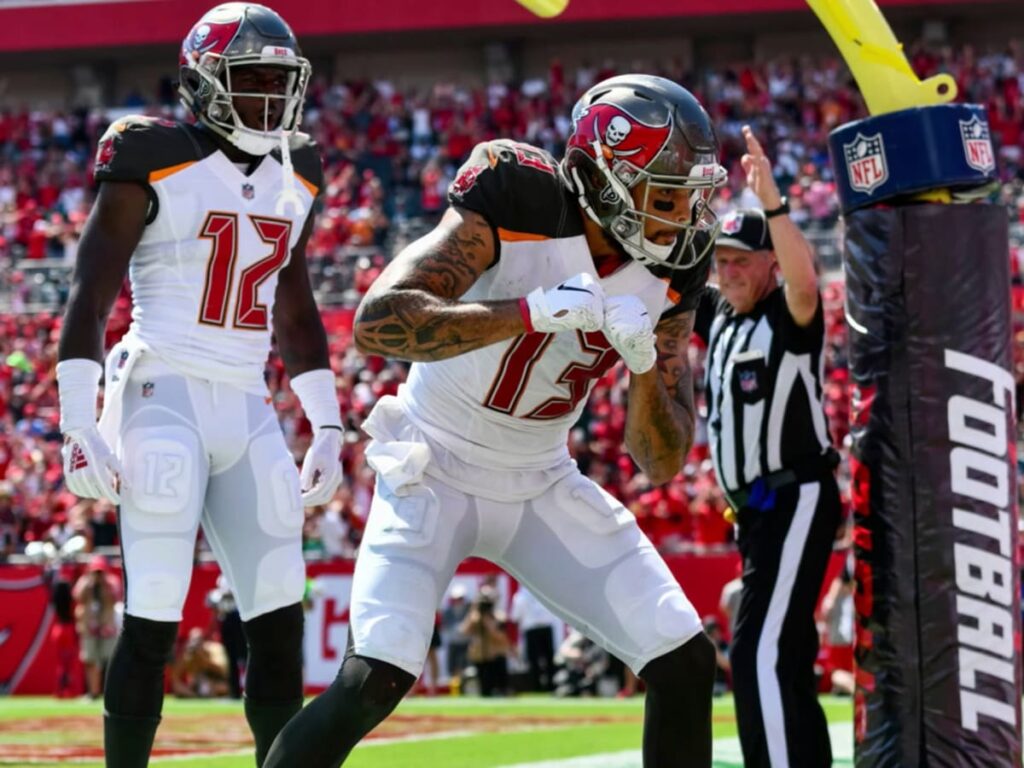
2023 Fantasy Football Draft Strategy: WR Depth Since drafting early wide receivers has become the most popular draft strategy in 2023, securing WR depth is integral. Knowing how to identify and target mid-round values is crucial. With my 2023 Fantasy Football Draft Strategy: WR Depth, I break down how to build the deepest and best receiving corps in your league. In PPR leagues, it is possible to draft four wide receivers that outscore many RB2s over the first four or five rounds of drafts. The data below shows the strength of the wide receiver pool at WR3 and WR4 over the past four seasons. Also, the 2023 FullTime Fantasy Football Draft Kit is absolutely LOADED with EXCLUSIVE sleepers, fades, breakouts, customized cheat sheets, and tons of valuable content to help you DOMINATE YOUR DRAFT DAY! Wide Receiver 25 to 36 Point totals (2019 – 2022) Targeting WR3s Last year, the 25th through 36th wide receivers averaged 181.99 fantasy points in full-point PPR leagues, or 11.37 fantasy points per week, or 68 catches for 800 yards and four touchdowns. The top four wide receivers in this group averaged 187.33 fantasy points. Practice is also imperative. Use FullTime Fantasy’s Mock Draft Simulator to be fully prepared on draft day. Plus, you can win some amazing prizes simply by mock drafting! Fantasy Point Totals WR3 Observations The quality of the WR3 in 2022 was well below the previous three seasons (189.86, 194.37, and 181.99 fantasy points). Wide receivers are inconsistent from week to week. Many times touchdowns will determine their success. If a drafter builds his team with too many weak wide receivers, he will have difficulty getting his lineup right on Sunday. As I maneuver through the wide receiver pool, it is easy to see that they consistently outscore the running back position at the backend. As I mentioned earlier, if a fantasy manager could draft three top wide receivers inside of the first four rounds, his team structure may lead to a five or six-point edge at the WR3 position by hitting on the right group of wide receivers. Additionally, by having three reliable wide receivers, a fantasy team may be slightly stronger during bye weeks. Also, it will have a chance to battle some short-term injuries. On the other hand, a team selecting a quarterback and tight end over the top five rounds will be under pressure to get their 2nd running backs and backend wide receivers right on draft day. Wide Receiver 25 to 36 Point Totals (2019 – 2022) WR4 or Flex Player The 37th through 48th wide receivers averaged 160.65 fantasy points in full-point PPR leagues or 59 catches, 724 yards, and four touchdowns. On average, the 4th tier of wide receivers (10.04) outscored the 3rd group of running backs (9.80 fantasy points in 2022). Last year, 36 wide receivers averaged more than 10 fantasy points per week compared to 38 in 2021 and 32 in 2020. My goal at the flex position has to be much higher than 10.5 fantasy points. Unfortunately, many failures at the backend of the wide receiver pool tend to come from injuries. Fantasy Point Totals WR4 Observations If I add up the average score from each starting roster position, the mid-range of a fantasy team came to 146.04 fantasy points per week based on 2022 results. Each fantasy manager’s goal should be to beat the average score at each position. That means they need a mid to upper-tier player at each spot in their starting lineup. The wide receiver position runs deeper than the running back inventory. But wideouts are more challenging to manage at the lower tiers. As a result, many drafters use two different philosophies. The first goal is to draft one foundation running back and build your team with strength in their receiving corps. Plus a solid tight end also helps. The next step is loading up on running back depth. If one or more backup running backs gain a full-time job, this draft style will contend for a title with a healthy season. The second team structure comes from a running back strong roster in team building while hopefully hitting on their backend wide receivers. I’ll use a baseball comparison as it is easier to understand for fantasy managers that play multiple sports. A backup running back is like a closer in waiting. If a player gets full-time carries, they can become a top player and sometimes an elite running back. Without a starting opportunity, a backup running back tends to have minimal value if needed to cover an injury or bye week. Wide receivers are more like starting pitchers. It’s either they have talent or they don’t. A couple of wide receivers will break through each year, but what are the chances that the draft breaks right to secure the right ones? If a drafter went running back strong, do they need to hit one or two wide receivers to have a successful season? They might even need three wide receivers to develop a competitive roster. In the high-end leagues, your opponents will also know the player pool. That makes it challenging to get out if you wait too long at the wide receiver position. The second part is that a backup wide receiver can’t match an elite wide receiver just because he has an opportunity. If Justin Jefferson or Ja’Marr Chase gets hurt, their replacement won’t deliver his production. Their targets will be spread out between the other good players within that offense. A mediocre running back can get a job in a high-powered offense and produce by the sheer volume of touches. That is why many top fantasy owners will cheat on the RB2 position. They avoid the injury risk by selecting one running back early and try to gain an edge at four or five other roster positions. Drafting a Balanced Roster The best team structure for a fantasy manager that pushes the quarterback position back would be to draft a balanced roster
Fantasy Football Draft Strategy: QB
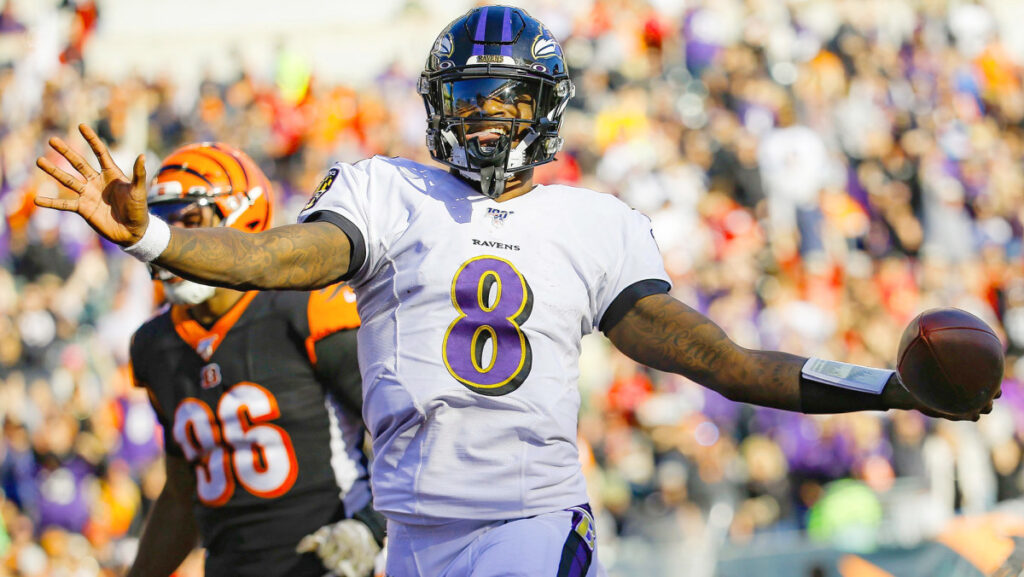
2023 Fantasy Football Draft Strategy: QB Before drafting each fantasy football season, I need to be in tune with the player pool. I then must understand the drop-downs at each position within fantasy drafts. That’s the key that drives my 2023 Fantasy Football Draft Strategy: QB. There are all different kinds of fantasy football leagues across the country. For the casual player, most formats are trading with a playoff system at the end of the year. In most cases, the best team doesn’t necessarily win each season. The goal is to draft a team with enough depth and upside to compete for the league title. Each drafter will be dealt a different hand as they will pick from various draft slots. Without a top draft selection, most fantasy managers will have to be creative in gaining edges at different positions to compete for a league or an overall title. Quarterback Target Points Before you sit at the draft table, one of the first steps is understanding what you need out of every position to be a contender. So, I will go through every position on a fantasy roster and give you the average player stats to help you see what it takes to have an edge at each lineup slot. The data listed is for 12-team leagues using the criteria below. This scoring system awards four points for quarterback passing touchdowns with 0.05 points for each passing yard. Each rushing and receiving yard is worth 0.10 points. Each reception is worth one point. Each rushing or receiving touchdown is worth six points. The tables below show the average scores for the top 12 options at each position over the last four seasons. The first part of the equation is learning the gaps and edges of each position. Here are the average position scores for all 11 starting roster slots in the Fantasy Football World Championships over the last four seasons: These scores can be used as targets for each position. A winning team must have an edge at multiple starting lineup slots to win their league. Their roster needs depth, along with success managing their team through bye weeks and injuries. The goal in this format is to score more than 145 fantasy points per week. If you do this, you should finish in the top four in your league with a chance to win a championship. However, the best teams in this competition will average more than 165 points. The medium scoring for all 11 roster slots in the World Championship over the previous six seasons came to 137.41 (2017), 144.60 (2018), 144.82 (2019), 149.09 (2020), 149.08 (2021), and 146.06 (2022). There has been a spike in rushing touchdowns in 2021 (532) and 2022 (505) after progressing higher from 2016 to 20219 (443, 380, 439, and 447). The change in replay rules led to many more players being downed inside the two-yard line on passing plays. That led to more scoring chances in close on the ground. In addition, there has been an influx of rushing quarterbacks over the past five seasons. The success of mobile quarterbacks in the run game also led to a rise in overall yards per rush in 2018 (4.42), 2019 (4.32), 2020 (4.41), 2021 (4.33), and 2022 (4.46). The final total in passing touchdowns reached an all-time high in 2020 (871). They fell dramatically in 2022 (750) due to the weakest backend quarterback pool over the last 11 years. Here’s a look at the best quarterback options over the previous four seasons: In 2022, the average quarterback in the NFL passed for 234.38 yards per game with 21.41 completions on 33.34 pass attempts. That also resulted in 1.38 touchdowns and 0.77 interceptions. These stats translate into under 19.22 fantasy points per game in leagues that award four points for each passing touchdown and 0.05 for each yard passing. The overall number would be slightly higher as most quarterbacks gain some value with their rushing production. The top 12 quarterbacks over the last four years averaged between 22.42 and 25.32 fantasy points per game. 2017 delivered the lowest output (20.94) over the past 11 years. Impact of Rushing Production In 2020, the quarterback position was front-loaded. That season, six quarterbacks scored 419 fantasy points or more. Fifteen quarterbacks finished with over 300 fantasy points. Josh Allen led the way with 457.60 fantasy points. The average score (25.32) for the top 12 quarterbacks was the highest in the history of fantasy football. The top end of the quarterback pool remained strong in 2021 and 2022. That resulted in four players each season scoring at least 410 fantasy points. Over 17 games last season, the average top-12 quarterback production delivered 376.70 fantasy points in four-point passing touchdown leagues. Patrick Mahomes (482.30 fantasy points) knocked Josh Allen (457.35) off the top quarterback-scoring podium. But Allen has been the best quarterback in the NFL from 2020 to 2022 in fantasy scoring. The quarterback position is certainly dynamic. But it is one where a weaker quarterback can match a top quarterback over short periods in league championship rounds. This is why many drafters in this type of format will wait to draft a quarterback. By doing this, they will likely be more potent at other starting roster slots. I’ve never been a good matchup manager at the quarterback position, leading me to draft a more reliable quarterback and ride him out throughout the season. Of all the positions on a fantasy team, the quarterback position will offer the most points in the free-agent pool. In addition, a back-end quarterback could put up 20-plus fantasy points in any given week, pointing to another reason to wait on the QB position. A team that punts the quarterback position will give up three to 10 fantasy points per week to the top four teams in the league. I know the goal for someone that waits on the quarterback position is to find the next breakout player. In this strategy, it is vital
Top 10 Fantasy Football Handcuffs

Top 10 Fantasy Football Handcuffs No position is as volatile or susceptible to injuries as running backs. Part of building a competitive fantasy football roster is to include an insurance policy. Targeting those handcuff running backs is a viable strategy
Mid-to-Late Round WRs to Target
Get a group of 12 football fans together and you might get a dozen different draft strategies. For the many people who will choose to attack running back depth first, our mid-to-late round WRs to target is the perfect companion
2022 Fantasy Football Zero-RB Targets

Now that fantasy football draft season is here, it’s time to look at different strategies. Contrarian approaches like #ZeroRB have a lot of traction and our 2022 Fantasy Football Zero-RB Targets can help identify mid-to-late round running backs to draft.