
FSGA Experts Baseball Draft Recap

FSGA Experts Baseball Draft Recap While major league players are gearing up for 2025, the world’s top fantasy baseball experts assembled at the annual FSGA to battle for bragging rights. Legendary analyst Shawn Childs represented FullTime Fantasy and provided his analysis and insight into the FSGA Experts Baseball Draft Recap. The FSGA leagues are among the most challenging. In addition to being 15 teams, all of the invitees are among the top experts in the business. That makes this format one of the most challenging in existence. It also makes them a great catalyst for fantasy baseball players about to partake in their draft or auction. Here are the results of Shawn’s FSGA Experts Baseball Draft Recap and his analysis. This Fantasy Baseball Strategy Guide is courtesy of Shawn Childs. Read Shawn’s expert fantasy analysis here. FSGA Scoring Rules Best Ball Points Style – 26 Roster Spots 16 Total Starters 10 Bench Spots 1 Catcher 1 First Baseman 1 Second Baseman 1 Third Baseman 1 Shortstop 3 Outfielders 1 Utility Player (any hitter) 7 Pitchers Statistical Categories & Scoring Draft Results Round By Round Analysis Hitters In the first round, I chose Corbin Carroll over Elly De La Cruz, favoring Carroll’s lower strikeout rate and reliable production in hits and fantasy points, which aligns well with this points-based format. In the second round, I reached for Wyatt Langford, drawn to his upside, knowing I had Pete Alonso—my top first baseman—locked in for the third. Alonso’s a powerhouse in points leagues, and I think he was a steal compared to other first basemen taken later. I held off again on pitching early, so in the fourth round, I grabbed CJ Abrams, the best available middle infielder. His blend of power and speed gives me a high floor at a position I hadn’t yet filled. Then, in the fifth, I pivoted to starting pitching, targeting high-strike-out/upside arms – Bryce Miller, Hunter Greene, Hunter Brown, and George Kirby were the choices over the next four rounds. I picked Kirby at a discount—despite a potential 4-5 missed starts due to a shoulder injury, I’m confident it won’t derail his elite potential and ceiling. For my third outfielder (this Best Ball format starts three), I went with Josh Lowe, loving his power-speed combo and the hitter-friendly home park for lefties. At catcher, Austin Wells fits my breakout catcher profile at a fair point. In BestBall formats, the catcher position will get negative points in many weeks when they go 1-for-16. Therefore, I also added Francisco Alvarez as a second catcher. I expect him back in the final week of April after suffering a broken hamate bone in spring training. His “zero weeks” could still be an advantage in this format (giving no fantasy points rather than a negative number, and I’m comfortable rostering two catchers. Depth Bryson Stott was a second-base value grab thanks to his discount, and I bumped up Christian Encarnacion-Strand as my breakout hitter of the year. He complements Alonso nicely and can slide into the utility spot. This format uses one player at each infield position (C, 1B, 2B, 3B, SS) plus three outfielders, with no additional middle infield or corner infield slots, so ideally, I should have grabbed someone with dual eligibility at shortstop or middle infield. But a few rounds later, I took Mason Wynn at shortstop due to leadoff his profile. At third, Nolan Arenado was the best option available; his .270 average with 70 runs and 70 RBIs last year isn’t far off, and a power rebound—or a trade—could boost him further. Pitching On the pitching side, Jeff Hoffman was a late-queue reliever gem who should grab saves, a nice fit since this format rewards them. Drew Rasmussen’s sub-3.00 ERA over four seasons shines when he’s healthy—he just needs to stretch out his pitch count. Nolan Jones, after a rough year, dropped to the 18th round in this 15-team setup (a bargain from last year’s hype), and I like his power, speed, and Coors Field boost. Jose Soriano was a late pitcher flier—his velocity hints at strikeout growth despite a lagging K-rate so far. Sal Frelick, my fifth outfielder, brings steals (less valuable here than in NFBC) and 15-team rotational value, though he’s not my typical Best Ball profile; he was just the best name left. Reid Detmers, a 2024 disaster, still has high upside, and Luis Ortiz felt mispriced—hidden value in the queue. I got auto-drafted Kenta Maeda in the 23rd round; he was in my queue, but I would have taken him later. Still, he’s been solid in spring training (aside from his last outing) and adds depth to my pitching staff. Ryan Kerkering could close for Philly, adding upside, and Ryan McMahon offers third-base and utility flexibility alongside Arenado. I’m thin at second with only Stott, but McMahon’s past time at the position might earn him eligibility midseason. Without the Maeda auto-pick, I might’ve grabbed another second baseman. Jack Leiter, my final pitcher, has dazzled in spring training with a strong college pedigree—I took a chance on his upside, especially with Cody Bradford’s recent injury possibly opening a Rangers rotation spot. I landed 12 pitchers in the draft, a must in a format starting 7 with weekly best scores, to hedge against inevitable injuries. Final Thoughts I avoided major snipes, locking in my top four hitters early for an offensive core, then building pitching depth while alternating offense and arms in the mid-to-late rounds. It’s a competitive squad—staying healthy is the key after injuries sank me over the last two years in this event. I’m a BestBall fan, and I’m optimistic this roster will click in 2025. Time will tell! The 2025 NFL season is underway but it’s not too late to get access to the best help out there! All FullTime Fantasy members get exclusive access to our 24/7 Chat Room on Discord! All morning on Sunday, Senior Analyst Jody Smith will be standing by to answer all your crucial fantasy questions and keep you updated with
2025 Fantasy Baseball Cheat Sheet & Auction Values UPDATED

2025 Fantasy Baseball Cheat Sheet Fantasy Baseball championships are won on draft or auction day. FullTime Fantasy‘s 2025 Fantasy Baseball Cheat Sheet gives you insight into the top 15 players at every position with a deeper dive into the outfield
2025 Fantasy Baseball DH Rankings
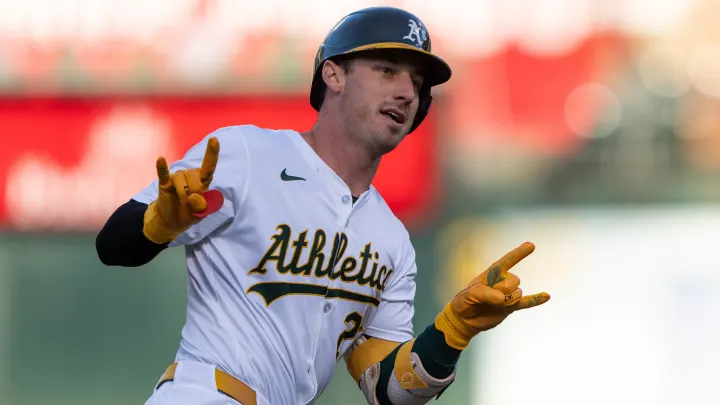
2025 Fantasy Baseball DH Rankings & Analysis This Fantasy Baseball Strategy Guide is courtesy of Shawn Childs. Read Shawn’s expert fantasy analysis here. Shohei Ohtani stands out as the premier designated hitter (DH) option for 2025, though I’ve already covered him as the first outfielder in an earlier profile. Below are the top 2025 fantasy baseball DH rankings from the players with secure full-time designated hitter roles. 1. Brent Rooker, Athletics (ADP: 73.9) I completely misjudged Rooker in 2024—he was my biggest miss. Expecting his 32.4% strikeout rate to limit his playing time, I bet on him falling under 25.5 home runs in a player-prop parlay. Early in the season, an oblique injury sidelined him, and I was thrilled—until he returned after just 11 days. By midseason (81 games, 66 played), Rooker was hitting .257 with 27 runs, 13 home runs, and 44 RBIs over 241 at-bats, striking out 35.8% of the time. I thought my “under” bet was back in play. Then his bat erupted over the next 140 at-bats (.350, 31 runs, 16 HRs, 39 RBIs, 5 SBs), with his strikeout rate dropping to 22.9%. In the final quarter, he hit .297 with 24 runs, 10 HRs, 29 RBIs, and 4 SBs over 165 at-bats, maintaining a lower strikeout rate (26.2%) than his career norm. Rooker’s 20% RBI rate was elite, a mark typically reserved for top middle-of-the-order hitters. His average hit distance (1.919) dipped to a four-year low, hinting at untapped power potential. His contact batting average (.434) crushed his 2023 mark (.392) and minor-league career (.402). With a 91.9 mph exit velocity (27th) and 49.6% hard-hit rate, plus a fly-ball-heavy swing (47.1% and 45.6% the last two years), Rooker posted a strong 22.9% HR/FB rate. Fantasy Outlook: Rooker’s 2024 FPGscore (6.81, 8th among hitters) makes him a draft steal. He hits hard, lifts the ball, and gained confidence last year. His contact ability will dictate his ceiling and floor. The A’s locked him in with a five-year, $60M deal in January, ensuring everyday at-bats. I project 30+ HRs with some speed, but a .260+ average may elude him. With a 15% strikeout rate more aligned with his career, I see 85 RBIs unless he tops last year’s HR total. 2. Marcell Ozuna, Braves (ADP: 73.5) Ozuna has been a fantasy bargain for the past two years. In 2024, he set career highs in plate appearances (688), runs (96), and games (162), driving in 100+ runs for the second straight season. His contact batting average (.420) outpaced 2023 (.366) and his career (.359). He slugged 34 of his 39 HRs against right-handers. Against lefties, he hit .319 with 5 HRs and 24 RBIs over 141 at-bats—solid, though less potent than his 12 HRs vs. southpaws in 2023. After 107 games, Ozuna was on a tear (.301, 67 runs, 31 HRs, 84 RBIs over 399 ABs), but he faded late with 29 runs, 8 HRs, and 20 RBIs over his final 207 at-bats. His 92.2 mph exit velocity (20th) and 53.5% hard-hit rate (11th) were elite, with 134 barrels over two years. Yet his fly-ball rate (38.4%) hit a five-year low, and his strikeout rate (24.7%) was the highest since 2014. Fantasy Outlook: Ozuna’s recent success reflects better discipline and off-field habits. He’s a joy to watch when locked in. However, the Braves might rotate other players into the DH spot in 2025, especially with injuries in play—Ozuna’s logged just two outfield games in two years. I see him as a .270/80/30/90 hitter with no speed. Could he be a Nelson Cruz-esque force in his 30s? 3. Kyle Schwarber, Phillies (ADP: 79.6) Batting average shapes a player’s fantasy value, and Schwarber’s is a wild card. Over three years with Philly, he’s delivered runs, HRs, and RBIs despite a 29.4% strikeout rate (28.5% in 2024). His contact batting average has fluctuated (.390 in 2021, .334 in 2022, .311 in 2023, .378 in 2024), but he posted a career-best 21% RBI rate last year. Schwarber mashed lefties in 2024 (.300, 12 HRs, 38 RBIs over 210 ABs), a leap from 2023’s .188 with 15 HRs over 207 ABs, thanks to 20 fewer strikeouts. September was his peak (.293, 22 runs, 10 HRs, 22 RBIs over 99 ABs). His 93.6 mph exit velocity (career high) and 55.5% hard-hit rate (5th) shone, though his fly-ball rate (40.1%) eased from prior years (49.5% and 51.1%). His walk rate (15.3%) remains elite. Fantasy Outlook: Schwarber’s a three-outcome hitter—33% of his hits are HRs, and 44.7% of plate appearances end in walks or strikeouts. He’ll score, mash HRs, and flirt with a .225 average, depending on his loft vs. contact balance. Expect another 100/35/90 season from one of the top 2025 fantasy baseball DH rankings options. 4. Giancarlo Stanton, Yankees (ADP: 315) Stanton’s missed nearly a full season (161 games) over the last three years. A hamstring injury limited him to three July games in 2024. He started strong (.225, 23 runs, 13 HRs, 29 RBIs over 191 ABs in April/May) but tapered off (13 runs, 9 HRs, 27 RBIs over 148 ABs in August/September). His postseason was electric (15-for-55, 9 runs, 7 HRs, 16 RBIs). His strikeout rate (31.2%) keeps climbing, while his walk rate (8.3%) fades. Stanton’s fly-ball rates (44.5% and 43.8%) and 22.3% HR/FB rate hold firm. He ranked 6th in hard-hit rate (55.3%), 3rd in barrel rate (20.7%), and 4th in exit velocity (94.6 mph). Fantasy Outlook: With two years left on his deal (plus a 2028 option), Stanton’s bat still packs a punch, but injuries sap his HR totals. The Yankees slotted him 4th or 5th for 407 of his 417 ABs in 2024, though offseason moves may push him lower. He’s a low-average power play with roster headaches. 5. Joc Pederson, Rangers (ADP: 335) In 11 MLB seasons, Pederson’s never topped 480 ABs. Over the last three years, he’s hit .262 with 178 runs, 61 HRs, 185 RBIs, and a surprising career-high 7 SBs in 2024 at age
2025 Fantasy Baseball Catcher Rankings & Analysis

2025 Fantasy Baseball Catcher Rankings & Analysis This 2025 Fantasy Baseball Catcher Rankings & Analysis is courtesy of Shawn Childs. Read Shawn’s expert fantasy analysis at his Substack. The catcher position in fantasy baseball offers a diverse range of Average Draft Positions (ADPs) and potential outcomes. Each fantasy drafter approaches the catcher pool with a unique perspective, influenced heavily by league format, ultimately dictating a player’s value. Drafting an early catcher aims to secure an advantage in batting order position, playing time, and overall production. Conversely, teams that punt on catchers seek to bolster other positions, targeting a modest 20 to 30 home runs and over 100 RBIs from the slot, while accepting a likely dip in batting average. Below are the top 12 catchers from 2024, ranked by Fantasy Points Gained (FPG) score. The average stat line for these players was a .257 batting average, with 66 runs, 21 home runs, 75 RBIs, and three stolen bases across 502 at-bats. Drafting William Contreras last season, for example, delivered approximately 3.92 fantasy points in league standings in 12-team formats. Only three other catchers provided a positive return in fantasy points gained. Note: I compiled the 2025 top 15 catcher rankings based on NFBC ADP. After evaluating all players, I adjusted their rankings to reflect my assessment of the catcher pool. 2025 Catcher Rankings & Analysis 1 – William Contreras, Milwaukee Brewers (ADP – 25.1) Over the past three seasons, Contreras has emerged as a powerhouse, blasting 60 home runs in 1,469 at-bats while establishing himself as a reliable middle-of-the-order hitter, with RBI rates of 17% in 2023 and 18% in 2024. Last year, he started strong, hitting .307 with 52 runs, nine home runs, 48 RBIs, and five steals over his first 277 at-bats. A mid-season slump in late June (.208, five runs, two RBIs in 53 at-bats) was a blip, followed by a power surge in August (.295, 22 runs, nine home runs, 23 RBIs, one steal in 105 at-bats). Contreras posted career-best marks in strikeout rate (20.5%) and walk rate (11.5%). He excelled against left-handed pitching (.313, 22 runs, four home runs, 24 RBIs in 144 at-bats), hitting 19 of his 23 home runs off righties. The Brewers slotted him between second and fourth in the lineup for 94.8% of his at-bats. Despite his power, his groundball rate remains high (54.5% in 2024, 55.0% in 2023, 53.0% in 2022). His exit velocity (92.8 mph, 15th) and hard-hit rate (49.5%, 22nd) ranked among the league’s best for players with 400+ plate appearances, though his launch angle (6.1, 200th) highlights a swing path limitation. Fantasy Outlook: Contreras offers plenty of appeal, enhanced by Milwaukee’s use of him at DH (102 games over three years). He hits the ball hard, but unlocking a 30-home-run season requires more loft in his swing. His four-category upside is worth buying, with any stolen bases as a bonus. Priced high in drafts, I still believe he has room to grow. However, the lineup behind him may cap his run production. Projection: .290/85/25/85/5 2 – Adley Rutschman, Baltimore Orioles (ADP – 66.9) Rutschman’s anticipated breakout in 2023 fell short despite leading all catchers in plate appearances (687) and at-bats (588). He finished second in FPGscore (0.27, 73rd among hitters), hindered by just one stolen base. In the first half of 2024, he hit .294 with 44 runs, 15 home runs, 55 RBIs, and one steal over 323 at-bats, projecting as an elite catcher. However, a second-half collapse (.194, 24 runs, four home runs, 24 RBIs in 248 at-bats) raised concerns, possibly injury-related, though no reports confirmed this. His fly-ball rate rose to 42.9% (from 34.6% in 2023), but his HR/FB rate dropped to a career-low 9.3%, with steady exit velocity (88.2 mph) and a lackluster hard-hit rate (36.6%). Rutschman thrived against lefties (.329, 19 runs, seven home runs, 33 RBIs in 164 at-bats) but saw declines in walk rate (9.1%, down from 13.6% over two prior seasons) and average hit rate (1.559), alongside a contact batting average of .306—both five-year lows. Fantasy Outlook: With Baltimore ranking fourth in MLB runs (786) in 2024, Rutschman’s pedigree and discounted ADP make him enticing. Drafters must look past his late-season fade, banking on a full-season resurgence. He has the potential for a .300/100/30/100 ceiling. At 27, hitting second in a potent lineup, he’s primed to rebound. I’d buy at a slight discount, leveraging his catcher edge and DH at-bats. Projection: .285/90/25/90/3 3 – Yainer Diaz, Houston Astros (ADP – 57.7) Diaz earned a roster spot in 2023 but saw limited early action (.226, nine runs, two home runs, five RBIs in 62 at-bats). By June, he forced his way into the lineup, finishing with a .294 average, 42 runs, 21 home runs, and 55 RBIs over his final 293 at-bats. In 2024, despite more at-bats (330), his run rate (35%, down from 46%) and HR/FB rate (10.6%, down from 17.7%) declined. His groundball rate rose (54.7%), fly-ball rate faded (28.0%), and average hit rate dropped (1.474, from 1.910 in 2023). Still, his contact batting average improved (.366, from .356), with a lower strikeout rate (17.3%) and minimal walks (3.9%). Diaz shone against lefties (.306, 22 runs, six home runs, 25 RBIs in 157 at-bats) and at home (.337, 45 runs, 10 home runs, 46 RBIs in 300 at-bats). After a weak May (.200), he hit .300+ over the final four months, peaking from June to August (.331, 42 runs, 13 home runs, 51 RBIs). His exit velocity (92.2 mph, 21st) and hard-hit rate (48.7%, 27th) graded well. Fantasy Outlook: Diaz’s swing path limits his power ceiling, but Houston’s use of him at DH (75 games over two years) and first base boosts his value. Likely batting fourth to sixth, he offers batting average strength and neutral-to-positive counting stats. Ranked 54th in FPGscore (0.93), he’s a solid catcher option. Projection: .280/80/25/90/2 4 – Logan O’Hoppe, Los Angeles Angels (ADP – 124.9) O’Hoppe’s minor league career (.279, 169 runs, 50
2025 Fantasy Baseball Closer Rankings & Analysis
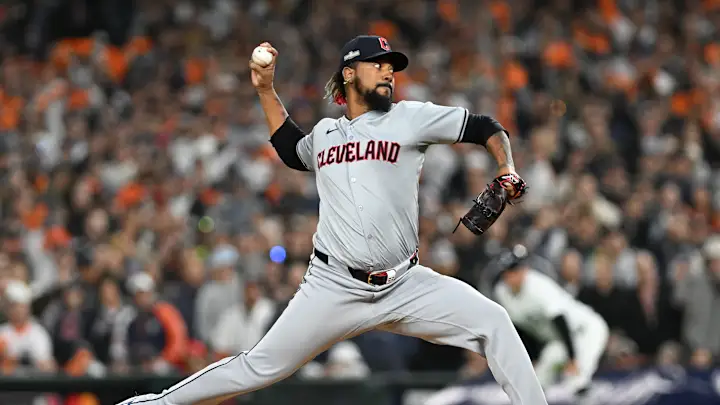
2025 Fantasy Baseball Closer Rankings & Analysis This Fantasy Baseball Pitching Strategy is courtesy of Shawn Childs. Read Shawn’s expert fantasy analysis at his Substack. Over the past few seasons, the top 12 closers have outperformed the second tier of 12 starting pitchers in fantasy rankings. A key factor is the decline in starters logging 200+ innings, along with fewer relievers reaching the 30-save threshold. As a result, the benchmark for a fantasy team to remain competitive in saves has dropped. Here’s a breakdown of the top late-inning arms for 2025: Closer Performance in 2024 The top 12 relievers last season averaged: 65 appearances 6 wins 2.21 ERA 0.944 WHIP 32 saves 78 strikeouts Emmanuel Clase led all closers in FPGscore (8.12), ranking fourth among pitchers and eighth overall across hitters and pitchers. His 47 saves provided 8.53 fantasy points, second only to Ryan Helsley (49 saves, 8.96 points). Despite posting only 66 strikeouts, Clase’s ERA (0.601) and WHIP (0.659) gave him a significant fantasy advantage of over five points. Save Distribution Among Relievers 8 closers recorded 30+ saves 14 relievers finished with 20-29 saves 35 pitchers had at least 10 saves Team Bullpen Breakdowns Cleveland Guardians 1. Emmanuel Clase, CLE (ADP – 32.8) Clase has led the AL in saves for three consecutive seasons (42, 44, and 47) while finishing the most games each year. His elite control (1.2 BB/9 in 2022 and 2024) has fueled a career WHIP of 0.892. Groundball rate: 57.4% First-pitch strike rate: 65.9% Strikeout rate dip: 8.0 K/9 in 2024 (down from 9.5 K/9 in 2021-2022) Opponent batting average: .154 (.115 vs. lefties) The Guardians’ bullpen was dominant in 2024: 42-12 record 2.57 ERA, 1.05 WHIP 53 saves, 658 strikeouts over 623 innings Clase relies heavily on an electric 99.6 mph cutter (77.6% usage, .171 BAA) and a devastating slider (.155 BAA, 36.6% whiff rate). Fantasy Outlook: At just 26 years old, Clase already has 158 career saves in 182 chances. His combination of elite command, dominant pitches, and high save potential makes him a coveted asset. While his strikeouts have declined, his dominance in ERA and WHIP is invaluable. If you miss out on top-tier aces, Clase can be an elite fantasy weapon. Handcuff Option – Cade Smith, CLE (ADP – 370.0)Signed as an undrafted free agent in 2022, Smith has improved significantly: Minor league stats: 3.61 ERA, 1.21 WHIP, 262 Ks in 167 IP Closer role: 33 minor league saves 2024 MLB performance: 75.1 IP, 2.0 BB/9, .173 BAA Smith is a hidden gem for fantasy managers looking to stabilize ERA and WHIP. If Clase were to miss time, Smith would be the next in line for saves. Oakland Athletics 2. Mason Miller, OAK (ADP – 42.3) Miller’s journey to the majors has been injury-riddled, but when healthy, his stuff is electric. After an early elbow injury in 2023, he transitioned to the bullpen in September and quickly became dominant. First 20.1 IP as a reliever: 2 ER, 13 baserunners, 41 Ks, 9 saves Final season line: 3.22 ERA, 0.985 WHIP, 19 saves, 63 Ks in 44.2 IP Struggled in six outings: 8.1 IP, 13 ER, 24 baserunners Miller’s 101.1 mph fastball was one of the best in baseball, pairing it with a wipeout slider (.126 BAA, 47 Ks). Fantasy Outlook: Among top-tier closers, Miller offers the highest strikeout upside but carries injury concerns and a small track record. If the A’s use him in 70+ games, he could lead all closers in strikeouts. Handcuff Option – Jose Leclerc, OAKLeclerc struggled early in 2024 but found his rhythm midseason. His career-high 4.3 BB/9 remains a concern, but he’s the next in line if Miller falters. New York Mets 3. Edwin Diaz, NYM (ADP – 38.4) After missing 2023 with a knee injury, Diaz had a rocky return last season. He started strong but hit a rough patch in May before rebounding down the stretch. Final 35 games: 15 saves, 2.41 ERA, 0.921 WHIP, 54 Ks in 33.2 IP Elite vs. righties: .158 BAA, 42 Ks in 101 ABs Fastball velocity: 97.6 mph (down from 99.1 in 2022) Diaz remains a strikeout machine, but his save opportunities need to increase to justify his ADP. Fantasy Outlook: Since his 57-save season in 2018, Diaz hasn’t topped 32 saves in any year. His strikeout edge over Clase is clear, but he must convert more saves to be worth a high draft pick. Handcuff Option – A.J. Minter, NYMSigned to a two-year deal, Minter has closer experience (36 career saves) but struggled with injuries last season. He’ll be the primary backup to Diaz. New York Yankees 4. Devin Williams, NYY (ADP – 39.9) Traded to the Yankees in December, Williams battled back issues in 2024 but still delivered elite numbers: 1.25 ERA, 0.969 WHIP, 38 Ks in 21.2 IP Converted 14 of 15 save chances Walk rate (4.6 BB/9) remains a concern Williams’ changeup (45.3% usage, .200 BAA) and fastball (.122 BAA) remain elite, but his command must improve. Fantasy Outlook: Williams is in a contract year, which adds motivation, but his health is a risk. Since taking over as a closer in 2022, he’s gone 15-7 with a 1.66 ERA, 65 saves, and 221 Ks in 141 IP. If he stays healthy, he’s a top-tier option. Handcuff Option – Luke Weaver, NYY (ADP – 354.8)Weaver reinvented himself in the Yankees’ bullpen, posting a 0.90 ERA, 0.721 WHIP, and 79 Ks over his final 59.2 IP. He’s a must-handcuff for Williams in our 2025 Fantasy Baseball Closer Rankings & Analysis. Houston Astros 5. Josh Hader, HOU (ADP – 41.0) Hader’s home run issues (1.5 HR/9) led to inconsistent results in 2024, but he remained dominant in strikeouts: Final line: 8-8 record, 3.79 ERA, 1.12 WHIP, 35 saves, 89 Ks Struggled vs. righties: 12 HR allowed Fastball velocity: 96.3 mph Fantasy Outlook: Hader’s reliance on a two-pitch mix (sinker, slider) makes him vulnerable in bad counts. While still an elite closer, he’s no longer the safest
2025 Fantasy Baseball: Auction Pitching Strategy
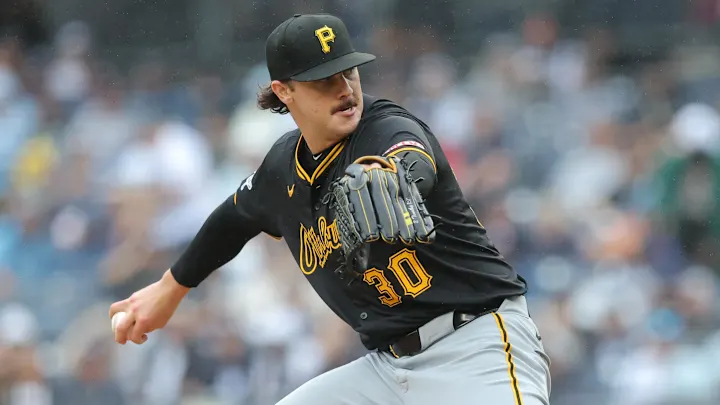
2025 Fantasy Baseball: Auction Pitching Strategy This Fantasy Baseball Strategy Guide is courtesy of Shawn Childs. Read Shawn’s expert fantasy analysis at his Substack. Pitching is the most challenging part of fantasy baseball. It’s easy to overspend in an auction, aiming to build a strong foundation in ERA, WHIP, and strikeouts. A solid pitching base provides a margin for error in the back end of your rotation, but the downside is a weakened offense due to limited resources. our 2025 Fantasy Baseball: Auction Pitching Strategy provides the ideal game plan to win this season. Unlike other formats, you can’t trade pitching for hitting in high-stakes leagues, making budget balance crucial. It’s difficult to finish in the middle of all five pitching categories, let alone earn 66% of the needed points to be competitive. Given the high injury rates and unpredictability, pitching is the most frustrating part of roster construction. If fantasy managers had their way, they’d allocate most of their budget to hitting and minimizing pitching investments. This should always be the pre-auction plan. Finding Value in Pitching When evaluating the pitching pool, I look for under-the-radar buying opportunities. This could mean targeting a setup reliever poised to take over a closer role early in the season or identifying a $10 starter who could deliver the value of a $20 pitcher. The key is determining whether I can construct a quality pitching staff for less than expected and if my targets will be available at my price points. Managing Saves Most teams will buy one closer, but a single 35-save reliever may only secure four points in saves in a 12-team AL or NL Roto league. That’s a minimal return on a $15+ investment. Typically, a team needs 50+ saves to finish in the top third of the category, which is why many managers either buy saves cheaply or punt the category altogether. Spending 30% of your pitching budget for limited gains isn’t ideal. Before the auction, I decide on my approach to saves: Is there a closer worth a top-tier investment? Are there discounted options that could provide elite value? Is there a reliever with a strong chance of earning the job midseason? While I never fully punt saves, I prefer grabbing a couple of potential closers in the reserve rounds at no cost to my auction budget. Saves can be the deciding factor in winning or losing a league. My goal is to maximize saves per dollar spent, increasing my competitive edge. Top-tier closers contribute more than just saves, and if the price is right, I won’t hesitate to invest. In early fantasy baseball years, elite closers cost close to $30, but the market corrected itself, with top options now around $20. If I’m comfortable paying $15, I need to be ready to pounce if a premier closer stalls in bidding before $20. Building an Ace Foundation Once I set my strategy for saves, I need a strong starting pitching core. This phase of an auction is a great equalizer—big investments in an ace limit flexibility elsewhere unless I commit a larger budget to pitching. When Pedro Martinez was in his prime, I could spend $40+ on him and dominate pitching categories due to his massive ERA, WHIP, and strikeout advantages. But in today’s game, does a $40+ investment in Paul Skenes or Tarik Skubal provide the same edge over the field? Would I be better off with two $20 pitchers instead? Could I build a strong rotation with four solid starters for around $50? Should I prioritize accumulating 200, 400, or 750 high-quality innings? The answers depend on the depth of each year’s pitching pool. In some seasons, there’s a clear drop-off in pitching talent; in others, there’s enough depth to spread investments. After analyzing the player pool, I pinpoint two or three pitchers I want as my staff’s foundation. Like with hitters, I track actual auction prices to see if my targets fit within my budget. If I plan to spend $60 on two starters and a closer, I need to confirm those prices align with my strategy. If a specific pitcher is critical to my plan, I might nominate him early to see if I can land him. Pitching Budget Allocation Most fantasy teams allocate between $60 and $80 to pitching. My goal is to establish a strong base with three key pitchers for $60, then round out my staff with cost-effective arms. The back half of my rotation often determines whether I win or lose. Discipline is essential. If I spend $8 early on a mid-tier pitcher, I might lose the flexibility to grab two $4 pitchers I prefer later. Timing is just as important as price. In some leagues, managers try to dominate pitching by spending $100+. When this happens, it inflates prices for top-end starters. But if everyone targets second-tier aces instead, elite pitchers may come at a relative discount. My pitching strategy dictates my hitting budget. It’s often easier to skimp on pitching and load up on offense, but some years provide opportunities to invest more in arms. In certain seasons, fading ERA and WHIP while maximizing wins, strikeouts, and saves can still earn 50% of the pitching points. Developing a Winning Plan Every fantasy manager must craft a strategy that gives them the best shot at winning. In non-trading auction leagues, investing in core players is key. Research the player pool for value opportunities. Enter the auction with both an early strategy and a contingency plan. Stay disciplined to secure impact players late in the auction. Here are the top 30 pitchers from 2024, ranked by FPGscores: (Note: These FPGscores are based on 12-team mixed leagues. Player values will vary slightly in 15-team leagues, AL- or NL-only leagues, and non-trading formats in the National Fantasy Baseball Championship.) Three of the top seven pitchers in 2024 were closers. Emmanuel Clase ranked first due to his elite performance and strong pre-season price. Ryan Helsley was the best draft-day value closer, while Kirby Yates
2025 Fantasy Baseball Auction Strategy

2025 Fantasy Baseball Auction Strategy This Fantasy Baseball Strategy Guide is courtesy of Shawn Childs. Read Shawn’s expert fantasy analysis at his Substack. Fantasy baseball comes in various formats and league sizes, particularly in auctions. Over the years, I’ve competed in American League-only, National League-only, and mixed-league formats with 12 or 15 teams. Some leagues incorporate keepers (players held for multiple seasons) and trading, both of which significantly impact player values during an auction. However, in the high-stakes fantasy market—where I’ve played for over 20 seasons—trading isn’t allowed. This restriction places immense pressure on managers to construct a winning roster before the auction ends. Here’s my 2025 Fantasy Baseball Auction Strategy. The Challenges of a No-Trading Auction League In a no-trade auction league, the margin for error is razor-thin. No other team will bail you out by offering to trade for your surplus closer. If your roster is unbalanced—strong in some categories but weak in others—you can’t swap hitting for pitching or speed for saves. While there are multiple paths to winning an auction, many managers lose before the season even begins due to a flawed strategy or lack of foresight. Each year, the player pool shifts slightly, requiring managers to assess available talent and craft a plan they can execute at the auction table. Success hinges on assembling enough key pieces to manage the season effectively. Regardless of my approach, I must remain flexible. While an auction allows me to target any player, every acquisition comes at a cost. Auction Basics Most fantasy baseball auction leagues allocate each team a $260 budget to assemble a 23-player roster (14 hitters, nine pitchers). Scoring is based on 10 categories: Hitting: Batting average, runs, home runs, RBIs, and steals Pitching: Wins, ERA, WHIP, strikeouts, and saves In a 12-team league, first place in a category earns 12 points, second place gets 11, and so on down to one point for last place. The team with the highest cumulative score across all categories wins the league. Calling Out Players Strategically A common mistake fantasy managers make is waiting too long to nominate key players. While the idea of saving money for later bidding may seem smart, it often backfires. If I sit back while other elite players come off the board, I risk running out of viable options. Instead, I prefer to call out my priority players early. If I believe a particular player is essential to my team’s foundation, I want to know right away if I can get him at a reasonable price—or if I need to pivot to an alternative plan. The sooner I know my roster’s core, the better I can execute my strategy or adjust on the fly. Budgeting for Key Players Using my FPGscores after last season, Shohei Ohtani had a fantasy value of $62.91, contributing 19.55 league points on the hitting side in a 12-team mixed format. If my roster plan was to allocate $180 for hitting and $80 for pitching, Ohtani would be a cornerstone of my offense. Every manager has a different approach to budgeting. Some teams invest heavily in elite bats and “cheat” pitching, while others allocate $100+ to pitching, limiting their ability to compete for top-tier hitters. For example, if I aimed to build my team around Ohtani, expecting him to replicate a strong 2024 season (.310/134/54/130/59) with a $55 target value, I would need a backup plan if I missed out on him. My next tier of power-speed hitters might include José Ramírez (.279/114/39/118/41), who had a $43.66 fantasy value in 2024. If Ramírez gets nominated early and sells for $45 while I wait for Ohtani, I risk losing both. If Ohtani then exceeds my budget, I’m left scrambling for a replacement with fewer options remaining. This scenario forces me to adjust my plan on the fly. If Ohtani sells too high, my fallback could be Aaron Judge ($50.11 value in 2024)—but that weakens my stolen base potential. Alternatively, I could target Bobby Witt Jr. ($45.65 value) to lock in elite steals while maintaining power. The key is being prepared for multiple outcomes. If my top choices are taken, I must adapt while ensuring my team remains well-rounded. Overpaying vs. Letting Go One strategy to avoid missing out on key players is overpaying early, intending to recoup those extra dollars later in the auction. While this can work, it requires discipline to ensure later bargains offset early splurges. Executing a Game Plan A strong auction strategy involves executing my game plan early while ignoring how others are spending. My goal is to establish a solid foundation in hitting and pitching, spending up to $200 of my $260 on my key players. This aggressive approach means I may need to shut down spending mid-auction while waiting for value picks later. Many managers become frustrated when others hold onto their money, fearing late-stage overbidding. But once the auction progresses, everyone will still need players, and competition remains. A team with a large budget late in the auction won’t have unlimited power—they’ll still be competing with other managers for every player. Keeping an Open Mind Some of the best values emerge early in an auction. Recognizing player value in real-time is crucial, as hesitation can mean missing out on bargains. A $33 player may not seem like a steal, but if that same player goes for $38 a few rounds later, I’ve lost out on value. For example, if José Ramírez is nominated early and his price hovers in the mid-30s, it may be smart to buy rather than risk Ohtani and Judge going for premium prices. Avoiding the “Last Top Player” Trap A common mistake in auctions is waiting for the final top-tier player at a position. Late in the draft, managers hesitate to call out the last available elite player, hoping to get them cheap. When that player finally gets nominated, demand spikes, often leading to an overpay. I use this knowledge to my advantage. If I like multiple players at a position,
2025 Fantasy Baseball: Auction Hitting Strategy

2025 Fantasy Baseball: Auction Hitting Strategy This Fantasy Baseball Strategy Guide is courtesy of Shawn Childs. Read Shawn’s expert fantasy analysis at his Substack. A fantasy manager must separate hitting from pitching when preparing for an auction. While each accounts for 50% of the game, finding a spending balance that fits your strategy is key. Here is my 2025 Fantasy Baseball: Auction Hitting Strategy. Core Batters Building a strong offensive foundation starts with identifying cornerstone players. Depending on your budget, your core may consist of three or four hitters. I typically begin with three: A high-average power hitter (.300/30/100). A balanced player with speed (.300/10/60/40). A well-rounded contributor (.300/20/80/20). The increased stolen bases in 2023 and 2024 have expanded the player pool and raised the target number needed to compete in that category. Shifting Batting Average Standards Pitching depth and injuries fluctuate each year, impacting offensive production. Fewer hitters now exceed a .300 average, affecting category targets. In 2024, MLB’s league-wide average was .243, down from .248 in 2023 and equal to 2022’s mark. By contrast, early 2000s averages were higher (.270 in 2000, .266 in 2004). Given this decline, a .280 hitter may now serve as the new “.300” in fantasy baseball. Hitting Budget Allocating your hitting budget effectively is crucial. My approach involves spending $90-$100 on three to four cornerstone batters and about $180 of my $260 total budget on offense. However, the player pool shifts yearly, requiring flexibility. Eight Foundation Bats In a single-league auction, your offensive core consists of a catcher, first baseman, second baseman, third baseman, shortstop, and three outfielders. These eight players form your team’s backbone. Each year, I analyze the player pool by position to identify my core targets, assess positional depth, and adjust my spending accordingly. This includes identifying breakout candidates and potential value picks. Understanding the Player Pool With 15 teams in both the AL and NL, there are 135 starting lineup spots across the league, divided among 12 fantasy teams (approximately 11-12 starting hitters per roster). Many real-life starters will be platoon players or unproven bats, creating gaps. Strategically, you can position your weaker spots in areas where depth or upside exists. Ideally, you’ll patch those holes through the waiver wire or bench. Core Spending Strategy A fantasy manager typically invests between $120 and $170 in their eight-core hitters. Patience is critical—finding full-time at-bats for minimal cost is the ultimate goal. The focus should be on at-bat volume and young players with upside rather than established part-timers. Rounding Out Your Roster Many managers hesitate to take zeros in their starting lineup, but sometimes, drafting an upside minor leaguer is better than grabbing a low-ceiling bench bat. For instance, in an NL-only league in 2025, rostering a prospect like 3B Matt Shaw or 1B Tyler Black could pay off if they get called up early. Instead of drafting a $1 low-upside middle infielder, I’d rather take a shot on a player with real growth potential. Similar part-time at-bats are often available on the waiver wire, making it wiser to gamble on a player who could earn regular playing time. I generally target three or four high-upside players for my bench while staying mindful of waiver wire opportunities to plug roster gaps. Understanding Player Value Auction success depends on preparation. Studying real-money auction drafts helps gauge market trends. The LABR auctions in early March provide insight into player valuations heading into the season. You should never be caught off guard by a player’s auction price. Top players will always draw heavy interest—if you want one, be ready to strike when their name is called. The 2025 NFL off-season is underway but you can still get access to the best help out there! All FullTime Fantasy members get exclusive access to our 24/7 Chat Room on Discord! All morning on Sunday, Senior Analyst Jody Smith will be standing by to answer all your crucial fantasy questions and keep you updated with all the latest news and injury updates. JOIN OUR MAILING LIST! GET THE LATEST ARTICLES & UPDATES Subscribe to our FREE newsletter – Breaking Fantasy news & site updates! Like and share our new Facebook page! Be sure to pay attention to our giveaways for your shot at some sweet prizes!
2025 Fantasy Baseball Strategy Guide

2025 Fantasy Baseball Strategy Guide This Fantasy Baseball Strategy Guide is courtesy of Shawn Childs. Read Shawn’s expert fantasy analysis at his Substack. Fantasy baseball is an exciting game, particularly for avid baseball fans who enjoy analyzing player performances. A full season spans approximately 180 days or 26 weeks. My primary experience in fantasy baseball comes from high-stakes, rotisserie-style leagues with no trading. Most formats feature 10 statistical categories—five for batters and five for pitchers—determining league points for this 2025 Fantasy Baseball Strategy Guide. 2025 Fantasy Baseball Basic Player Data Roto Categories Batting Average (BA) – This is calculated by dividing total hits by at-bats for a team’s starting hitters. The highest batting average in the league earns first-place points. For example, in a 12-team league, first place receives 12 points, second place gets 11, and so forth down to one point for last place. In a 12-team league, a .2573 batting average was needed to rank in the top 20% in 2024. Runs (R) – Total runs scored by the team’s starting hitters. A competitive goal in a 12-team league is around 1,100 runs, or 80 per player in a 14-offensive-player format. Home Runs (HR) – Total home runs hit by a team’s starting hitters. In 12-team leagues, over 309 home runs (about 22 per player) were required to finish in the top three in 2024. Runs Batted In (RBI) – Total runs driven in by the starting lineup. The target for a 12-team league should be approximately 1,075 RBIs (around 77 per batter). Stolen Bases (SB) – Total number of steals by starting players. Due to rule changes in recent years, stolen base totals have increased. A fantasy team needed 202 stolen bases to finish in the top 20% for 2025, compared to 198 in 2024. Pitching Categories Wins (W) – Total wins earned by the team’s starting pitchers. Managing a roster to secure four wins per week, or 104 across a 26-week season, is ideal. In high-stakes leagues, 94 wins were required to reach the top 20% in 2024. Earned Run Average (ERA) – Earned runs allowed divided by innings pitched, multiplied by nine. The goal is to have the lowest ERA. A 3.50 ERA was a strong target in 12-team leagues last season. Walks + Hits per Inning Pitched (WHIP) – A key metric for evaluating a pitcher’s effectiveness, calculated as (walks + hits) / innings pitched. A WHIP of 1.147 in 2024 ranked in the top 20% of 12-team leagues. Strikeouts (K) – Total strikeouts by starting pitchers. In 12-team leagues, 1,412 strikeouts were needed to finish in the top 20% in 2024. Saves (SV) – Total number of saves by the pitching staff. Over the past two seasons, around 78 saves were required to remain competitive in 12-team leagues. League Structure A standard 12-team rotisserie league typically consists of 30 rounds. Each team drafts 14 hitters and nine pitchers. The hitter lineup includes two catchers, one first baseman, one second baseman, one shortstop, one third baseman, one middle infielder, one corner infielder, five outfielders, and one utility player. Most fantasy managers select seven starting pitchers and two closers for their active lineup. Bench spots can vary, but having extra starters and a third closer is advisable. Additionally, managers often draft a young prospect, a backup outfielder, a backup middle infielder, and a backup corner infielder. Understanding the Player Pool Familiarizing yourself with player values is essential to constructing a winning team. Based on 2024 data, first base, third base, and outfield traditionally provide the most offensive production. However, shortstop has emerged as a premier position for three consecutive years. A balanced roster requires a mix of elite batters and pitchers, along with high-upside selections later in the draft. Relying solely on past-season stats can be misleading, as player performance varies year to year. Identifying rising stars who will be drafted earlier in future seasons is crucial. Draft Strategy and Building Blocks Early draft decisions shape the direction of a fantasy team. Managers selecting a power hitter like Mookie Betts may focus on acquiring speed later in the draft. Conversely, starting with a speedster like Bobby Witt Jr. necessitates prioritizing power-hitting outfielders or corner infielders in subsequent rounds. A balanced approach, like drafting Freddie Freeman, offers flexibility in roster construction. Offensive Foundations Building a solid offensive core involves selecting players who excel in multiple categories. After three rounds, targeting players who collectively contribute around 75 home runs and 75 stolen bases establishes a strong foundation. In the 2024 National Fantasy Baseball Championship (NFBC), the winning team secured 248 runs, 93 home runs, 248 RBIs, and 100 stolen bases from its first two draft picks. Key offensive archetypes: Elite Speed with Power and Average: Players like Corbin Carroll and Bobby Witt Jr. offer a unique blend of stolen bases, power, and average. High Average/Plus Power: Historically, players like Albert Pujols and Miguel Cabrera fit this mold. In 2024, Juan Soto was a prime example, excelling in runs, home runs, and RBIs. Balanced Players: Shohei Ohtani exemplified this by providing 50/50 power and speed potential, comparable to Ronald Acuña’s exceptional 2023 season. Pitching Strategy Effective roster construction requires understanding the value of top-tier pitchers. Securing an ace with 15+ wins, a sub-3.00 ERA, and 200+ strikeouts provides a competitive advantage. However, pitching carries significant injury risk, making roster depth critical. Understanding Closer Value In 2024, the top 12 closers averaged six wins, 32 saves, and 78 strikeouts, with a 2.214 ERA and 0.947 WHIP. Emmanuel Clase stood out with a 0.605 ERA, 0.659 WHIP, and 47 saves. Securing an elite closer early can be more valuable than drafting a second-tier SP2. Identifying an Ace Pitcher Using FPGscores, a fantasy manager can evaluate pitcher tiers: Ace baseline: 14+ wins, 2.847 ERA, 1.013 WHIP, 197+ strikeouts. SP2 baseline: 13 wins, 3.440 ERA, 1.118 WHIP, 187+ strikeouts. Drafting strategies depend on how pitchers and hitters are selected in the early rounds. In recent years, elite closers have risen to third and
Fantasy Baseball Pitching Strategy
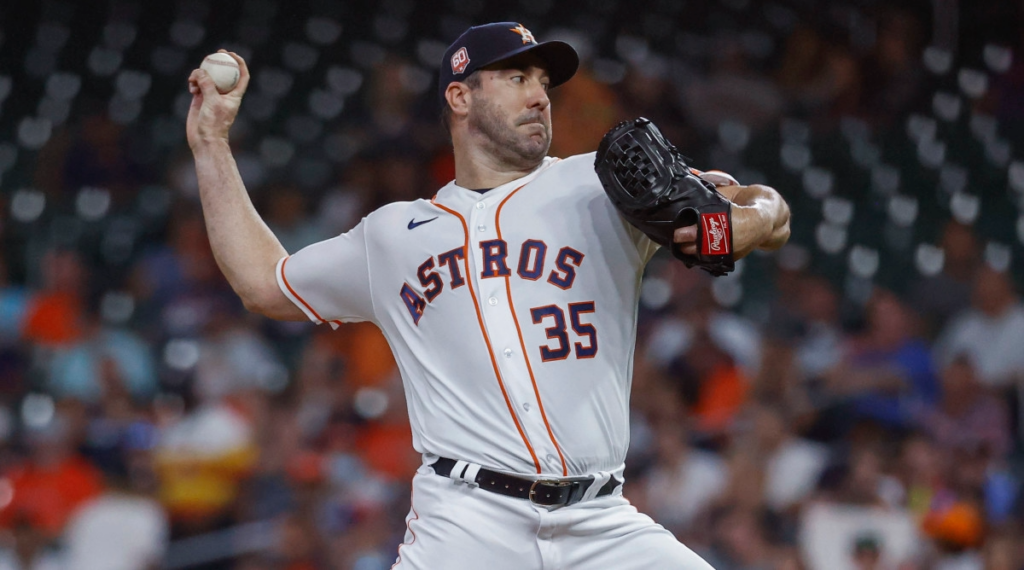
Fantasy Baseball Pitching Strategy Shawn Childs is a legend in the fantasy baseball world and his advice is invaluable. A member of the NFBC Hall of Fame, Shawn has several top-5 finishes in the National Fantasy Baseball Championship as well
