
Advanced NFL Snap Counts Report: Week 7
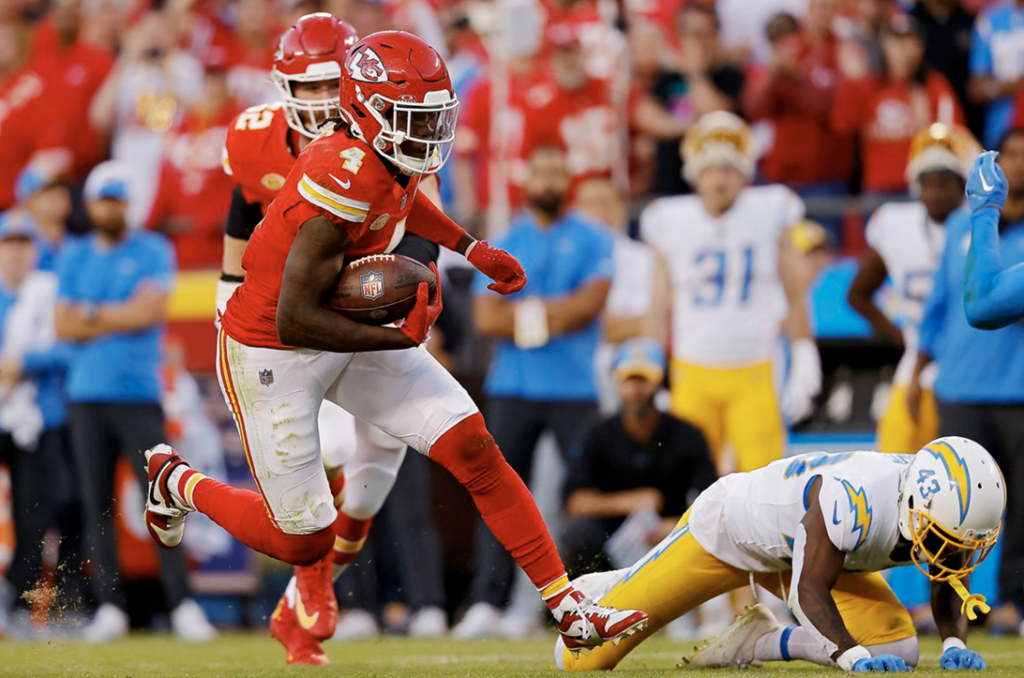
Snap counts tell us who is playing but they don’t always paint a clear picture of who is producing for our fantasy football lineups. By digging deep into FullTime Fantasy‘s Advanced NFL Snap Counts Report: Week 7, we are able
NFL Snap Counts Frequently Asked Questions
What are NFL snap counts?
Why should I care about NFL snap counts?
How are your NFL snap-count numbers compiled?
How can I use NFL snap counts to leverage my success in fantasy football?
What are the possible drawbacks to using NFL snap counts as part of my fantasy football lineup strategy?
 SNAPS Total offensive snaps played by player.
SNAP % Percentage of offensive snaps played.
RUSH % Percentage of snaps played where player had a rushing attempt.
TGT % Percentage of snaps played where player was targeted by a pass attempt.
TOUCH % Percentage of snaps played where player touched the football (includes pass attempts, rush attempts and receptions).
FPTS Fantasy points scored by player.
PTS/100 SNAPS Average fantasy points scored by player per 100 snaps
Gain access to incredible data like this each and every week! To read the rest, become a Fulltime Fantasy Member and get access to Waiver Wire/FAAB, Snap Counts Report, WR Matchups, Customized Weekly Rankings, and Private WDIS help on Sunday Mornings. USE BLITZ50 for 50% off your first 2 months or SAVE20 for 20% OFF OUR 6-MONTH PACKAGE!
Sign up here!.
SNAPS Total offensive snaps played by player.
SNAP % Percentage of offensive snaps played.
RUSH % Percentage of snaps played where player had a rushing attempt.
TGT % Percentage of snaps played where player was targeted by a pass attempt.
TOUCH % Percentage of snaps played where player touched the football (includes pass attempts, rush attempts and receptions).
FPTS Fantasy points scored by player.
PTS/100 SNAPS Average fantasy points scored by player per 100 snaps
Gain access to incredible data like this each and every week! To read the rest, become a Fulltime Fantasy Member and get access to Waiver Wire/FAAB, Snap Counts Report, WR Matchups, Customized Weekly Rankings, and Private WDIS help on Sunday Mornings. USE BLITZ50 for 50% off your first 2 months or SAVE20 for 20% OFF OUR 6-MONTH PACKAGE!
Sign up here!. 
About Scott Atkins
› 184 ArticlesMotto: How are YOU treating life? I'm pretty chill with a wife (Erin), 2 boys Simon (now 20) & Elston (18), 2 dogs, sisters (Sophie & Agatha) and 3 cats (Willow, Albert & Griff). As VP at Sports Illustrated, I helped build out SI Fantasy /Gambling and returned to rebuild FullTime Fantasy to continue hosting the Fantasy Football World Championships. Previously I had founded the Fantasy Players Association, an industry watchdog group dedicated to trabsparenct and player advocacy. I regularly appear on ESPN Radio, SiriusXM and FNTSY. I contribute sports handicapping, dynasty rankings and NFL/NBA DFS advice and strategy on the FullTime Discord. I have several 5 figure finishes including winning a DraftKings Atlantis qualifier (valued at over $70,000) and multiple $30,000+ finishes in NFL and NBA. A long-time high-stakes competitor and ranked #50 in the Fantasy Football World Rankings, I understand and teach bankroll management. You may remember me from the Red vs Blue high stakes fantasy Podcast. I was also featured as a Dynasty "Greats of the Game" by DLF and FBG. I've played high stakes since it's inception and have enjoyed Top 10 finishes in both NFFC and FFPC as well as an RTSports Overall Championship. link: https://dynastyleaguefootball.com/2015/05/06/greats-of-the-game-scott-atkins/ link: http://subscribers.footballguys.com/2012/12interview_scottatkins.php